- PRODUCT CENTER -
Leave A Message
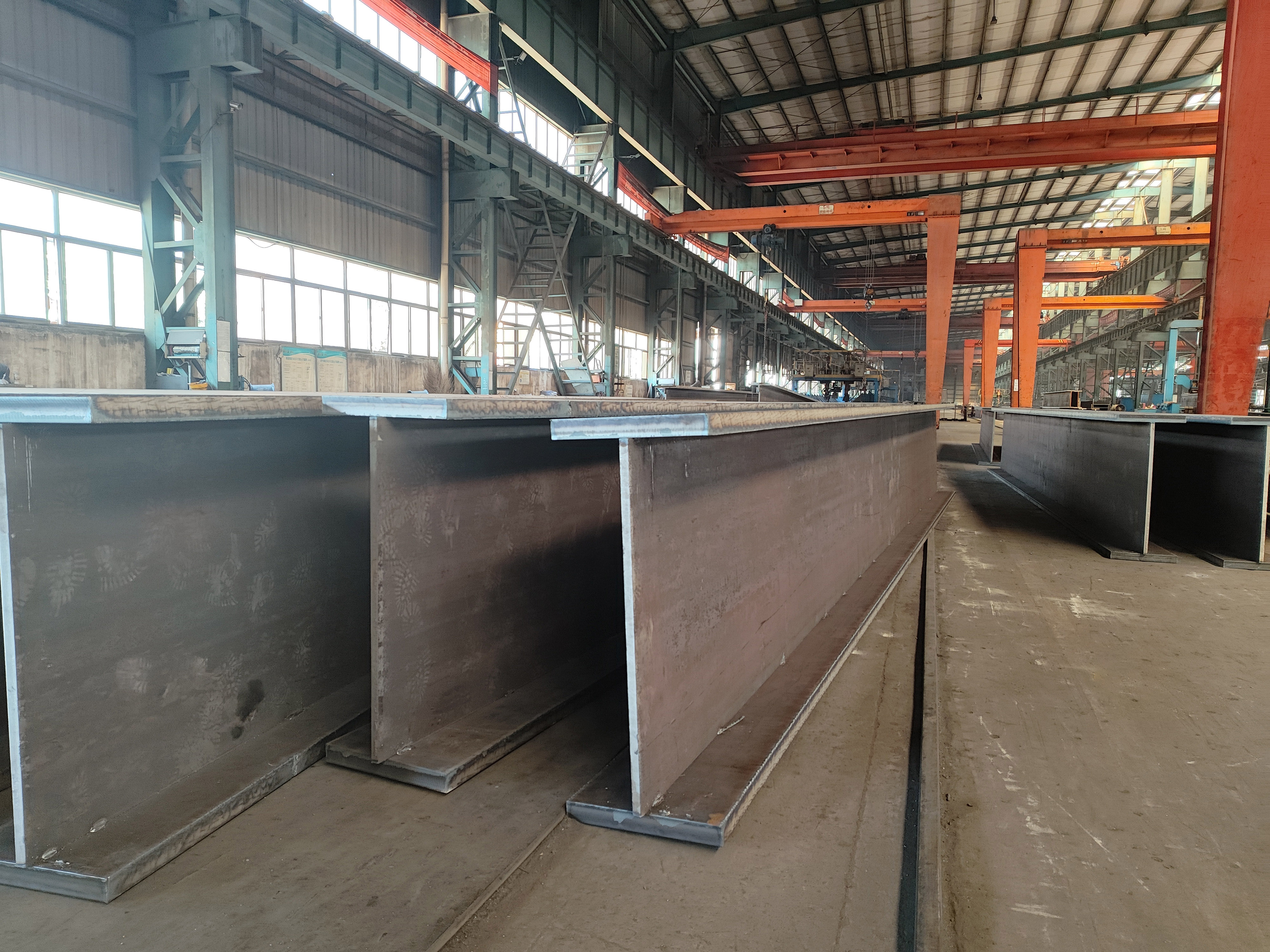
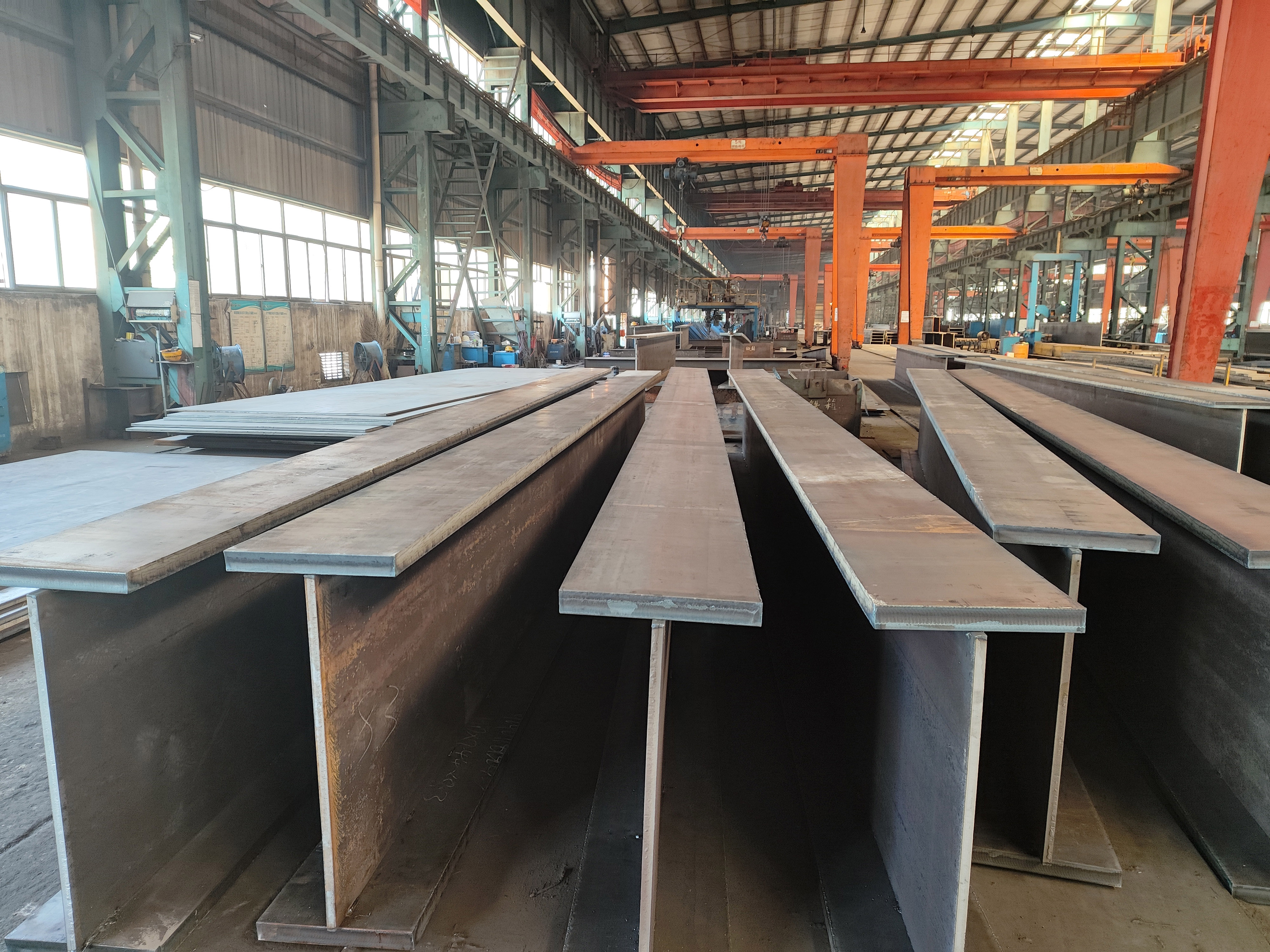
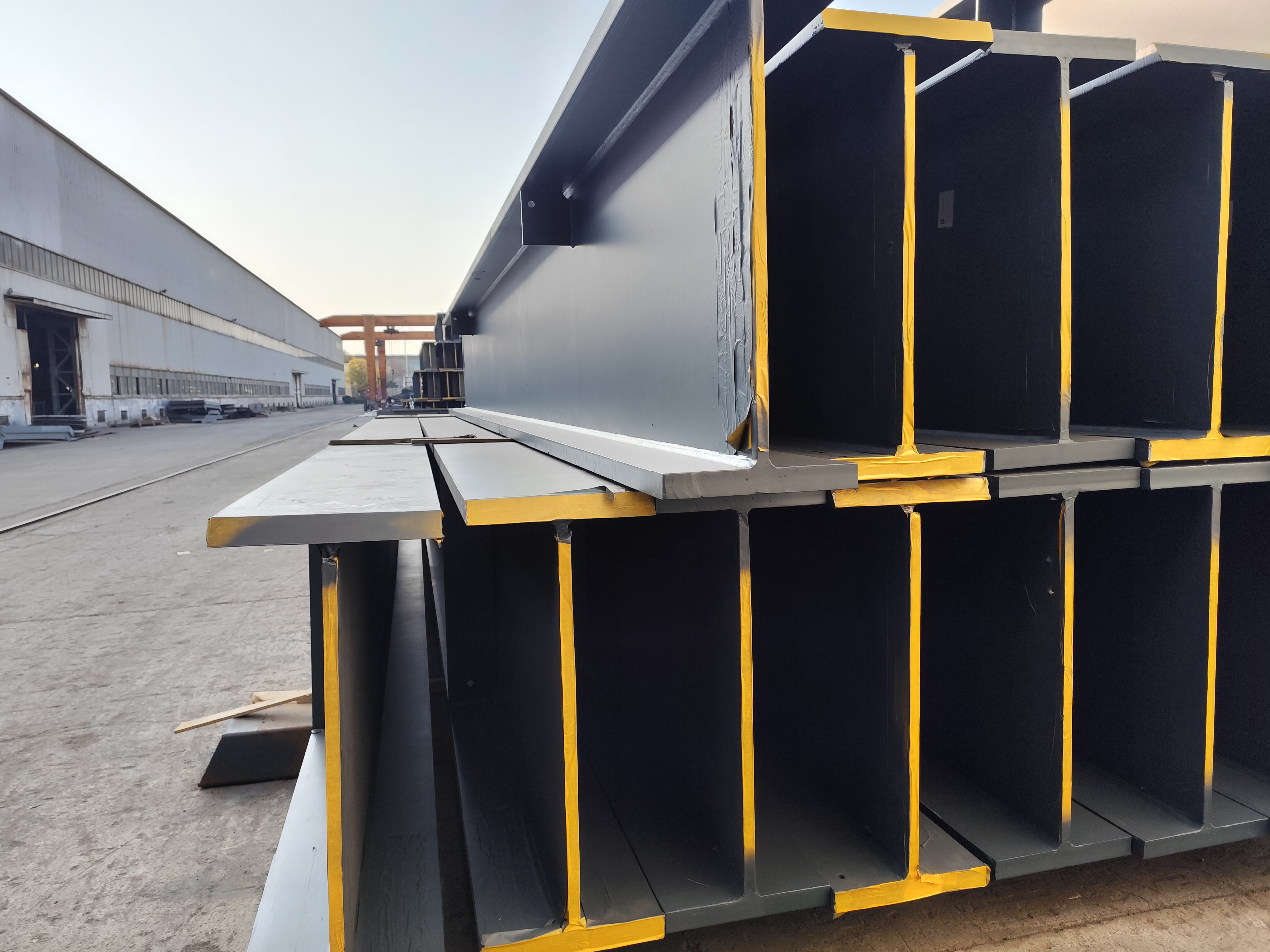
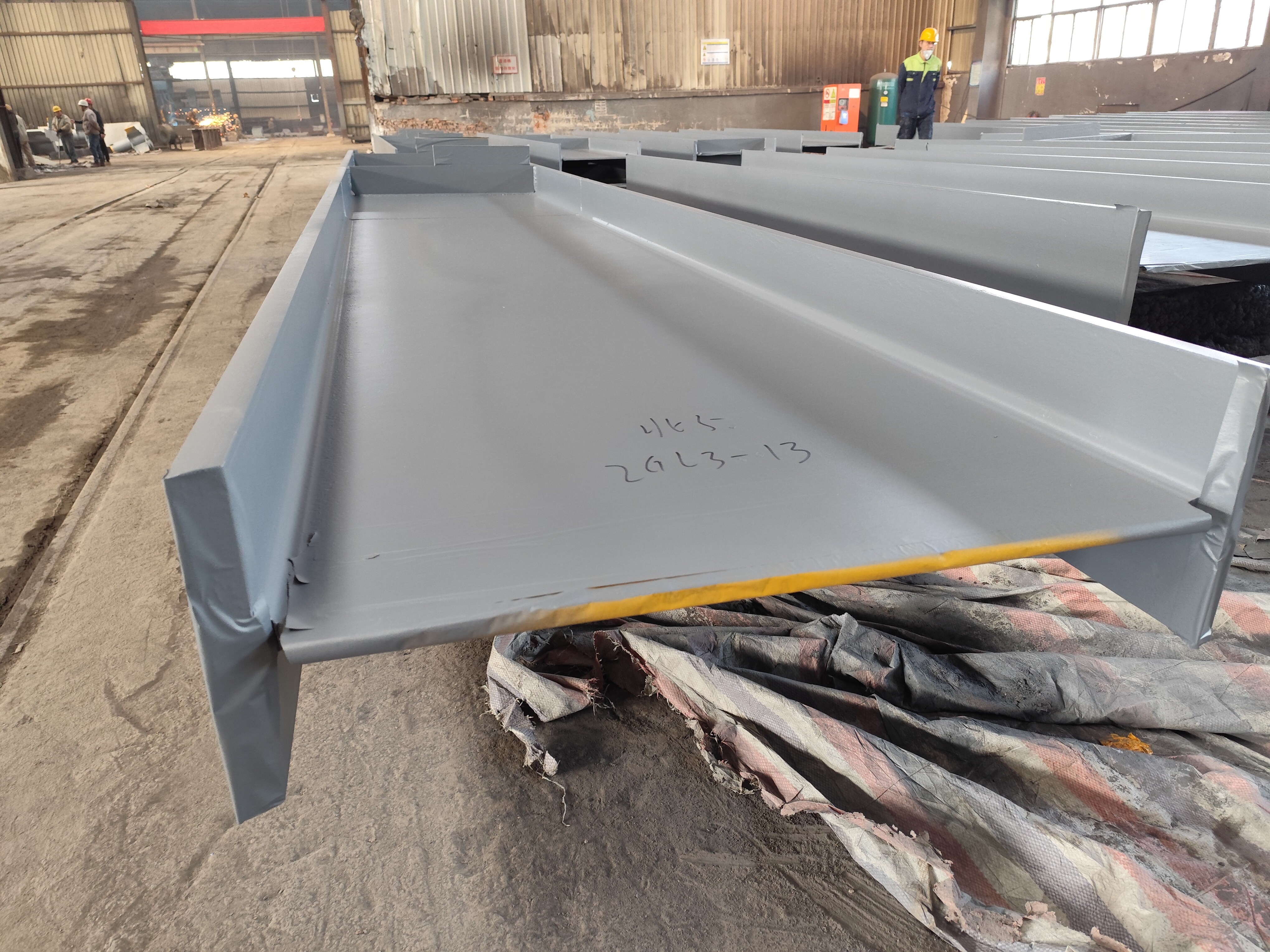
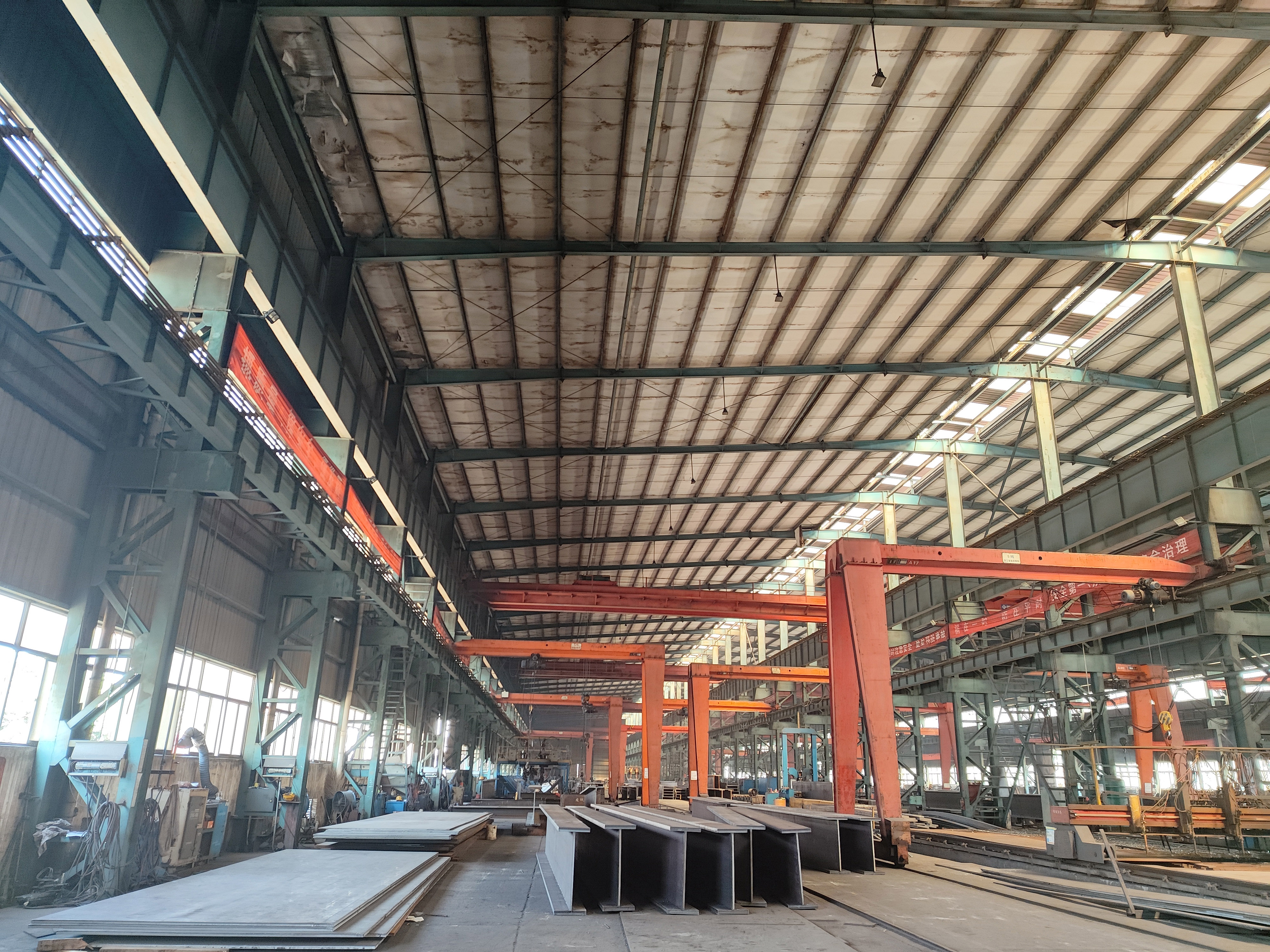
Welding H-beam
Product Parameters
Key Benefits of Welded H-Shaped Steel Beams
1. Customisable Dimensions
The greatest advantage of welded H beams is their design flexibility. Engineers can specify beam height, flange width, and web and flange thicknesses according to project requirements. This allows the creation of beams with a high load-bearing capacity or fewer raw materials for cost savings. H beam welding provides flexibility beyond what’s available from hot-rolled steel H beams.
Example: In quay wall combi walls, the upper flange width can be increased to increase the system width, and by adjusting flange and web thicknesses, the beam’s performance can be customised. This makes it possible to match or even outperform hot-rolled sections, often in a more economically efficient way.
2. High Structural Stability and Load-Bearing Capacity
By adjusting plate thickness and widths, welded H beam specifications can be designed to handle significant vertical and lateral loads, making them suitable for demanding projects. Welding allows the production of extra-large beams without requiring specialised rolling mills. This makes welded beams the preferred solution for oversized dimensions.
3. Material Optimisation
Engineers can design H-shaped steel beams specifically for where the stresses occur most, with thicker flanges for bending and slimmer webs for weight reduction, leading to a more efficient and cost-effective structure. This is especially valuable for projects where material use must be optimised due to weight or sustainability considerations.
4. More predictable Lead Times
While fabrication adds time, welded beams avoid the limited rolling schedules of mills, especially for oversized beams. This makes them a practical choice when hot-rolled supply is restricted or when non-standard sizes are required quickly.
Applications of Welded H Beams
Foundation Systems and King Piles in Combi Walls
Welded H beams are commonly used as King Piles in combi wall systems, especially for quay walls and sheet pile retaining structures. Their high bending stiffness and ability to connect with interlocks make them ideal for deep foundation applications.
Offshore and Marine Structures
In offshore jacket foundations, welded H beams are used for:
Diagonal and vertical bracing in jacket foundations.
Node connections, skirt piles, and transition pieces.
Pressure resistance: can withstand cyclic wave and wind loads in harsh marine environments.
Bridge and Infrastructure Works
Custom-welded H beams serve in:
Bridge girders and viaduct supports where custom spans are required
Craneway structures and pile caps with high load concentrations
Suitable for seismic zones due to tailored stiffness-to-weight ratios
Heavy Industry and Equipment Supports
Steel frameworks for:
Refineries and chemical plants
Heavy machinery bases requiring point-load capacity
Pipe racks, modular skids, and industrial platforms
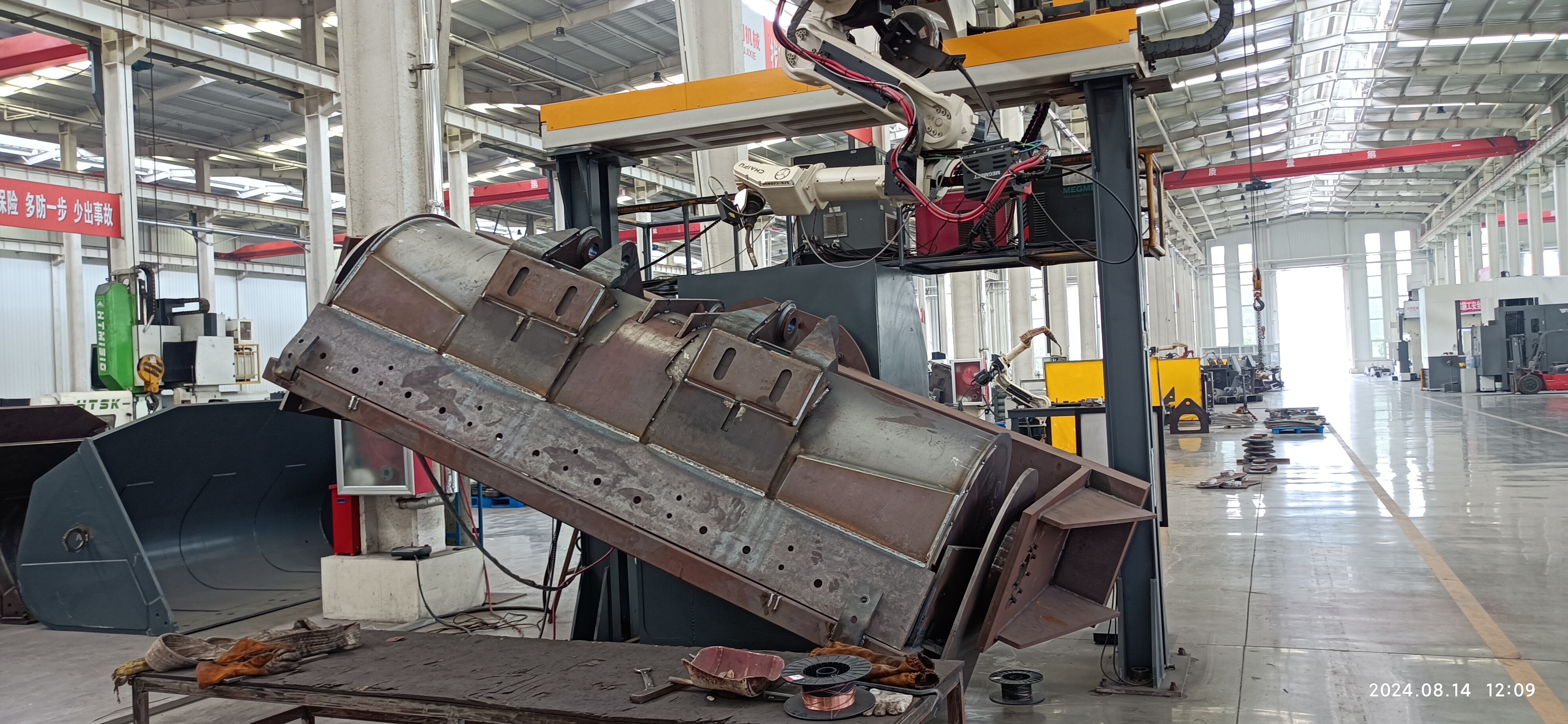
The processing flow for welded H-beams is as follows:
[1] Raw material inspection
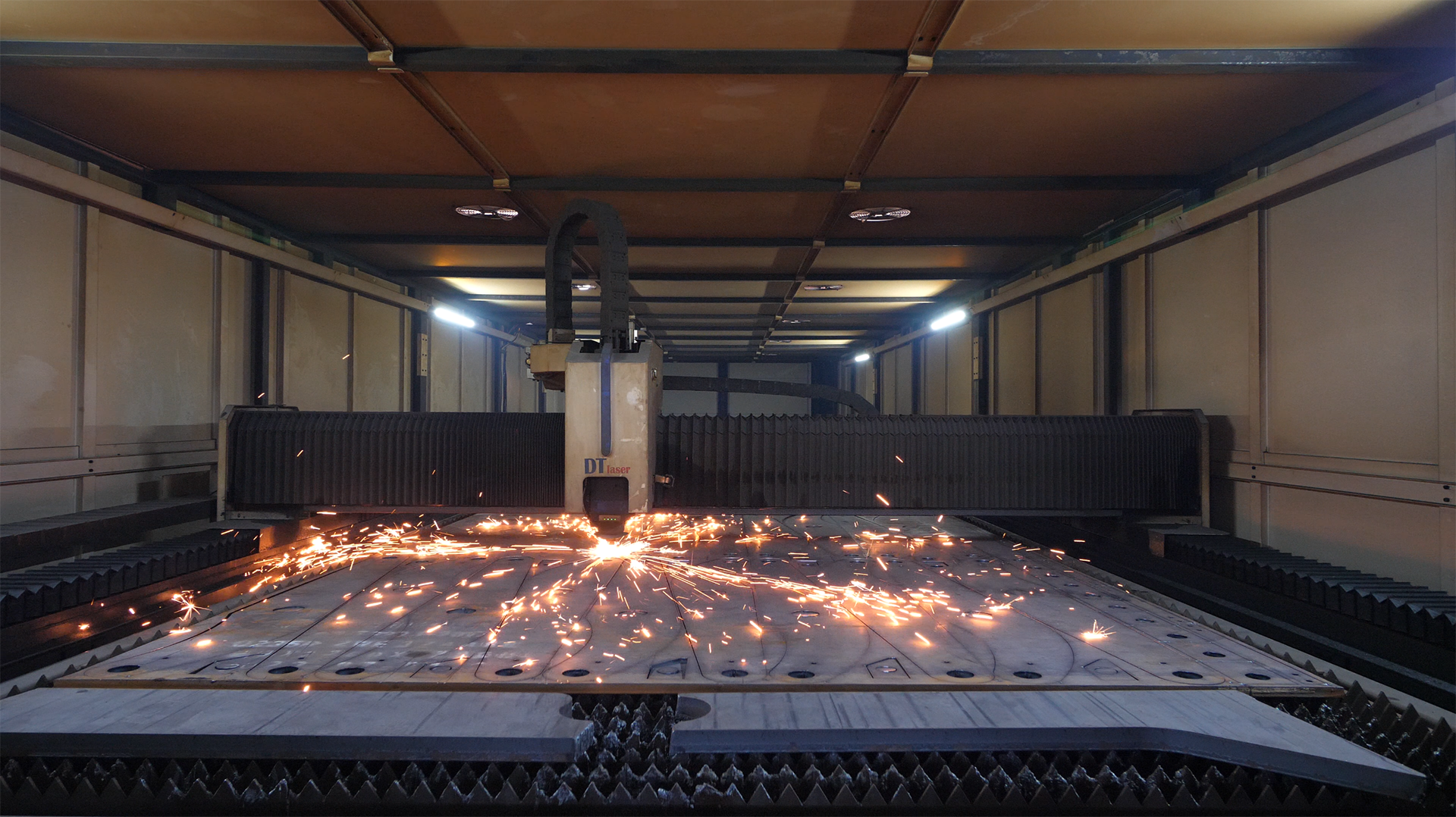
[2] Computer layout and cutting
[3] Assembly
[4] Welding
[5] Seam inspection and root cleaning
[6] Deformation control
[7] Pre-assembly
[8] Overall dimension inspection and verification
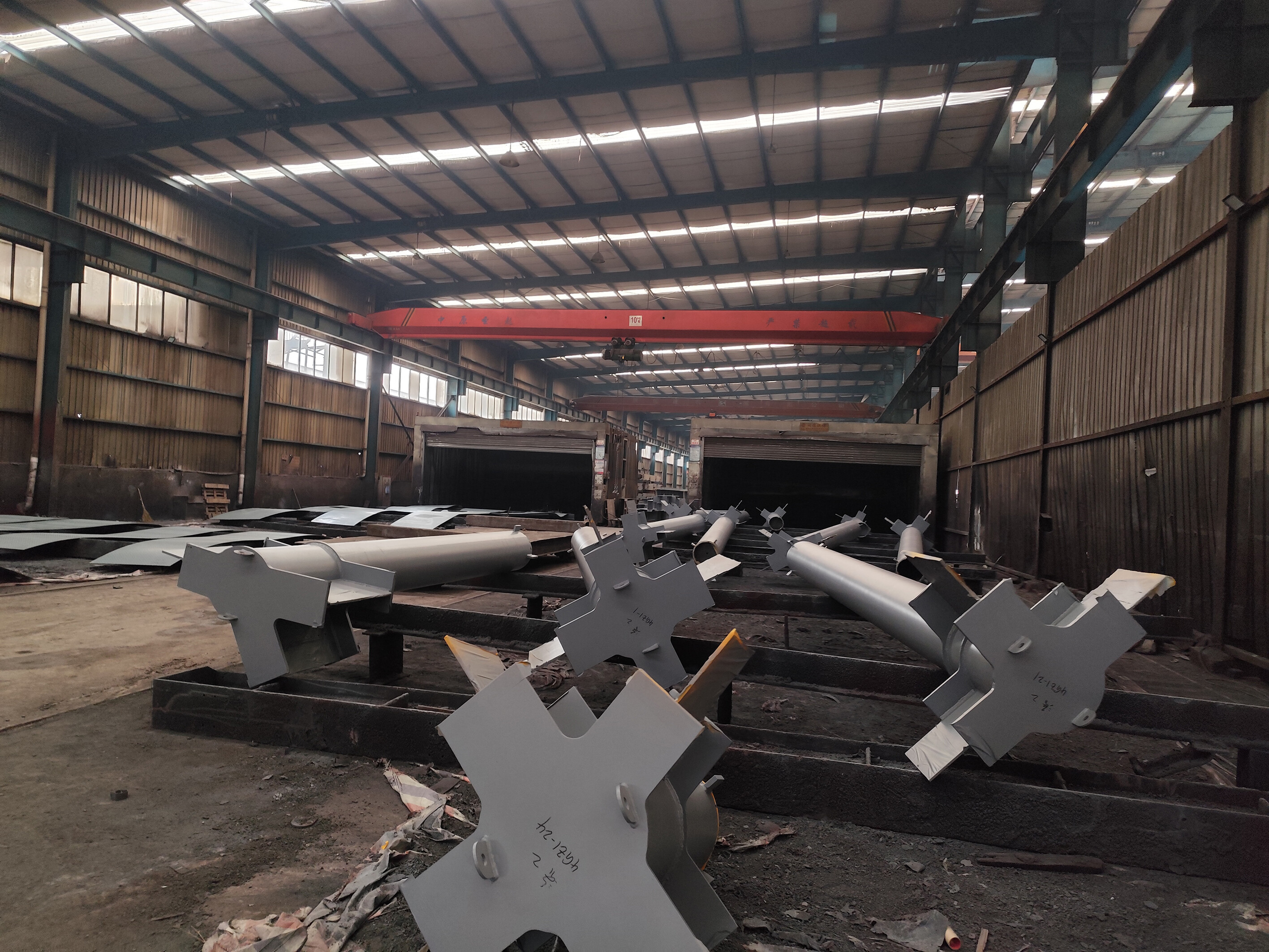
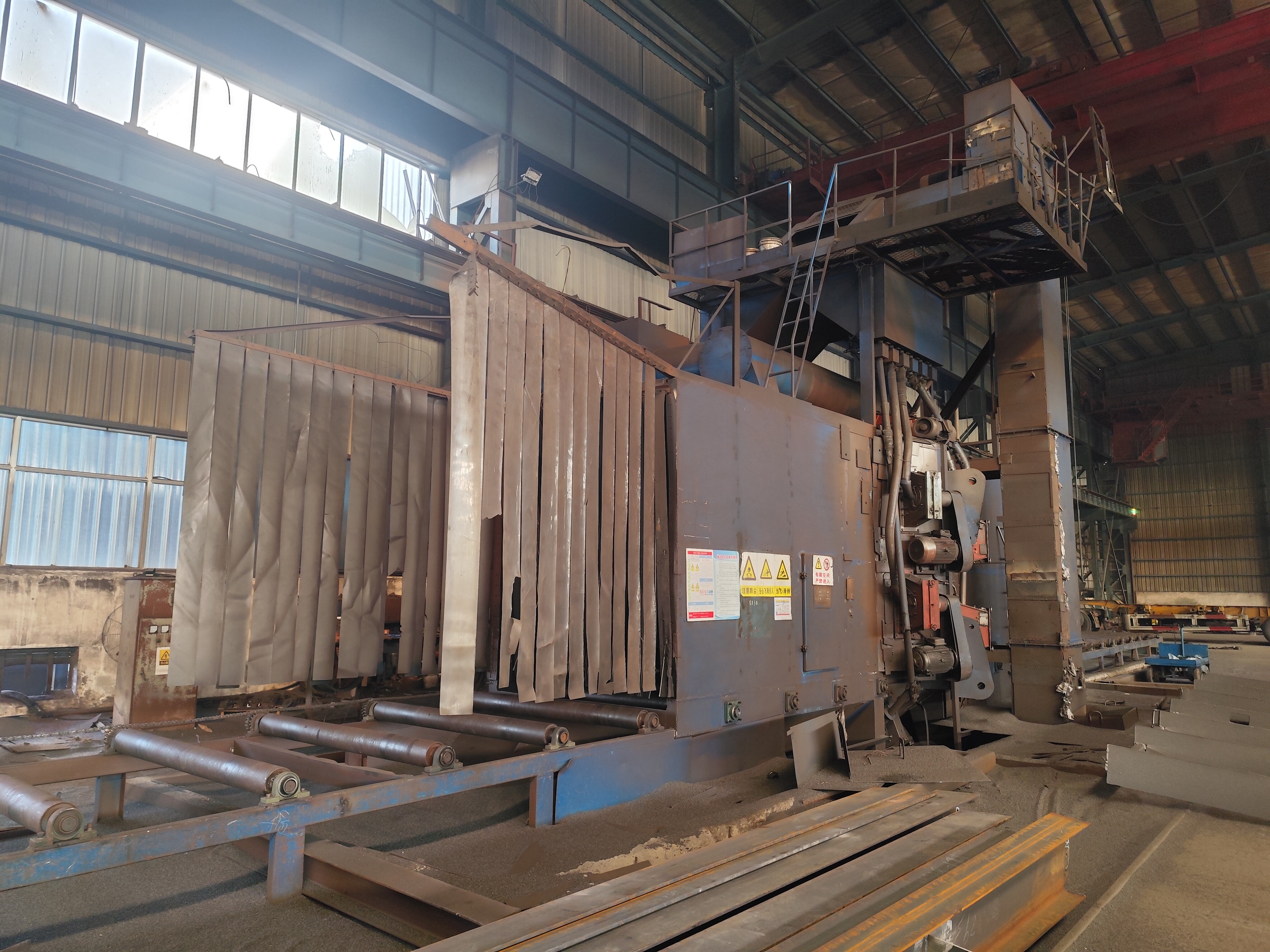
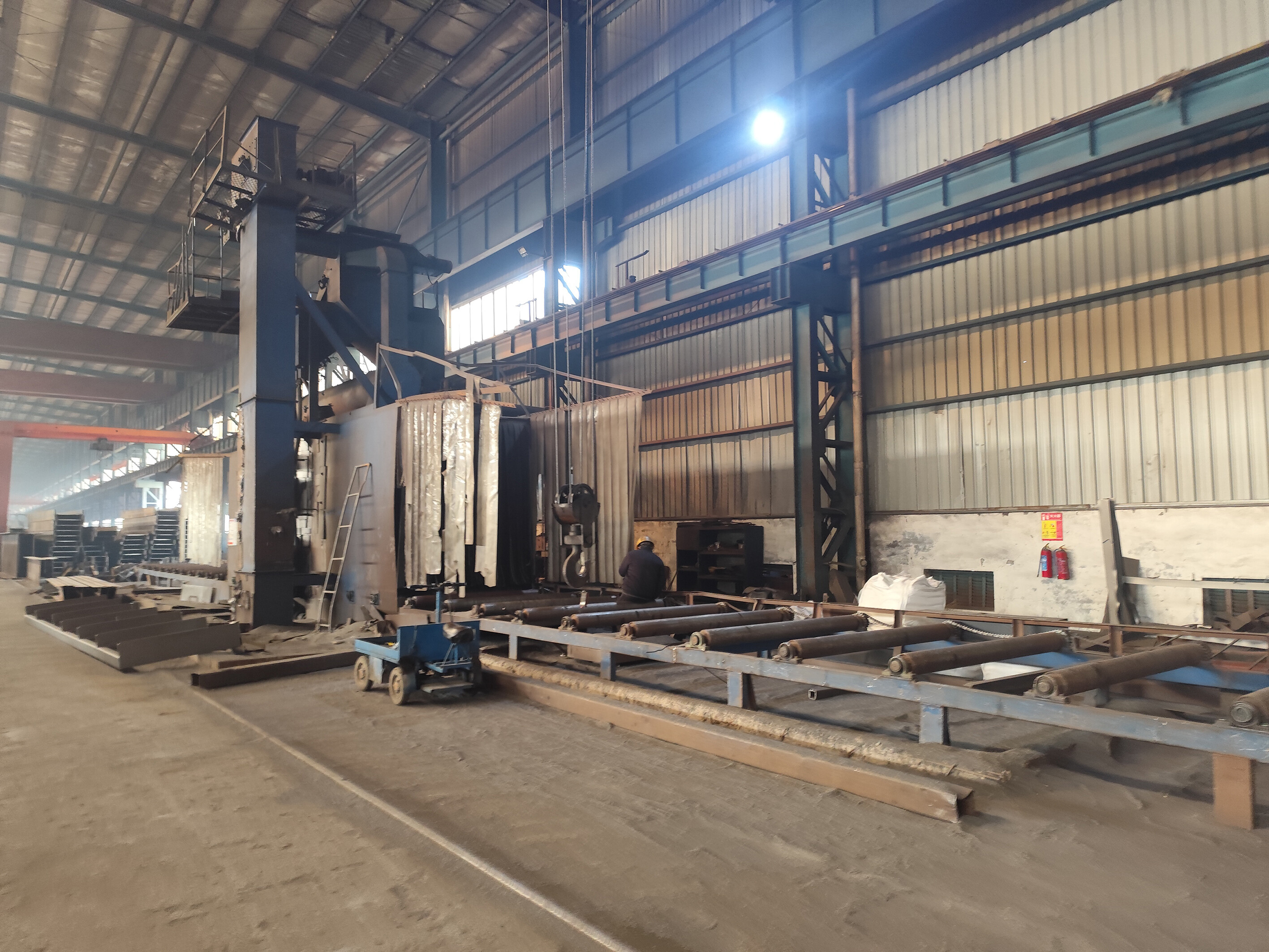
[9] Sandblasting and rust removal
[10] Coating, numbering, and packaging
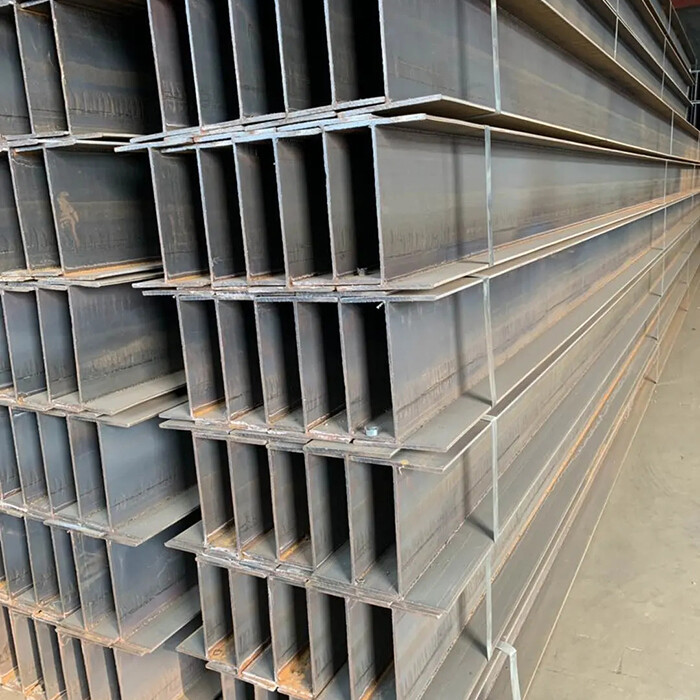
Can also be customized according to your requirements!
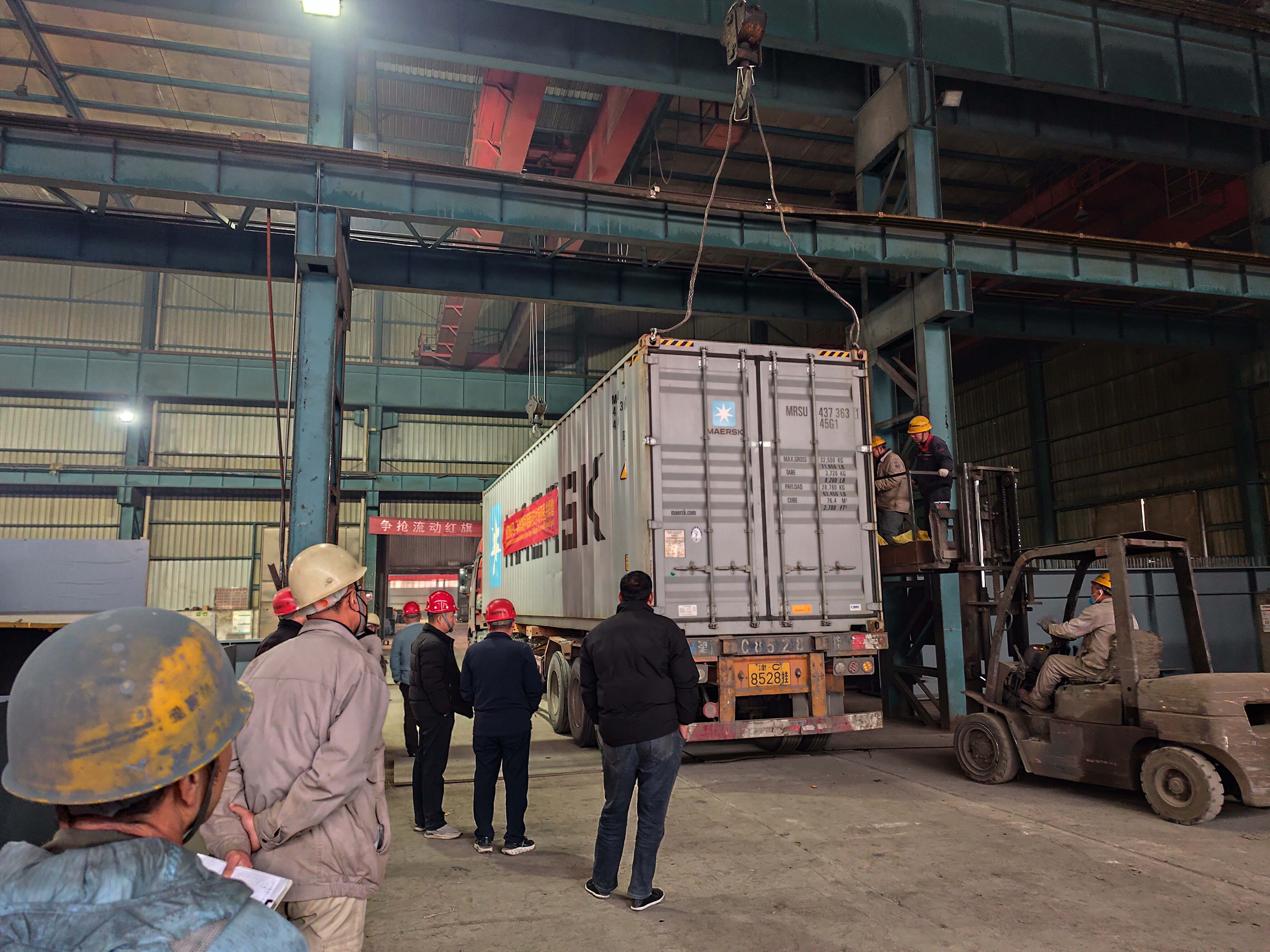
Packaging and Transportation
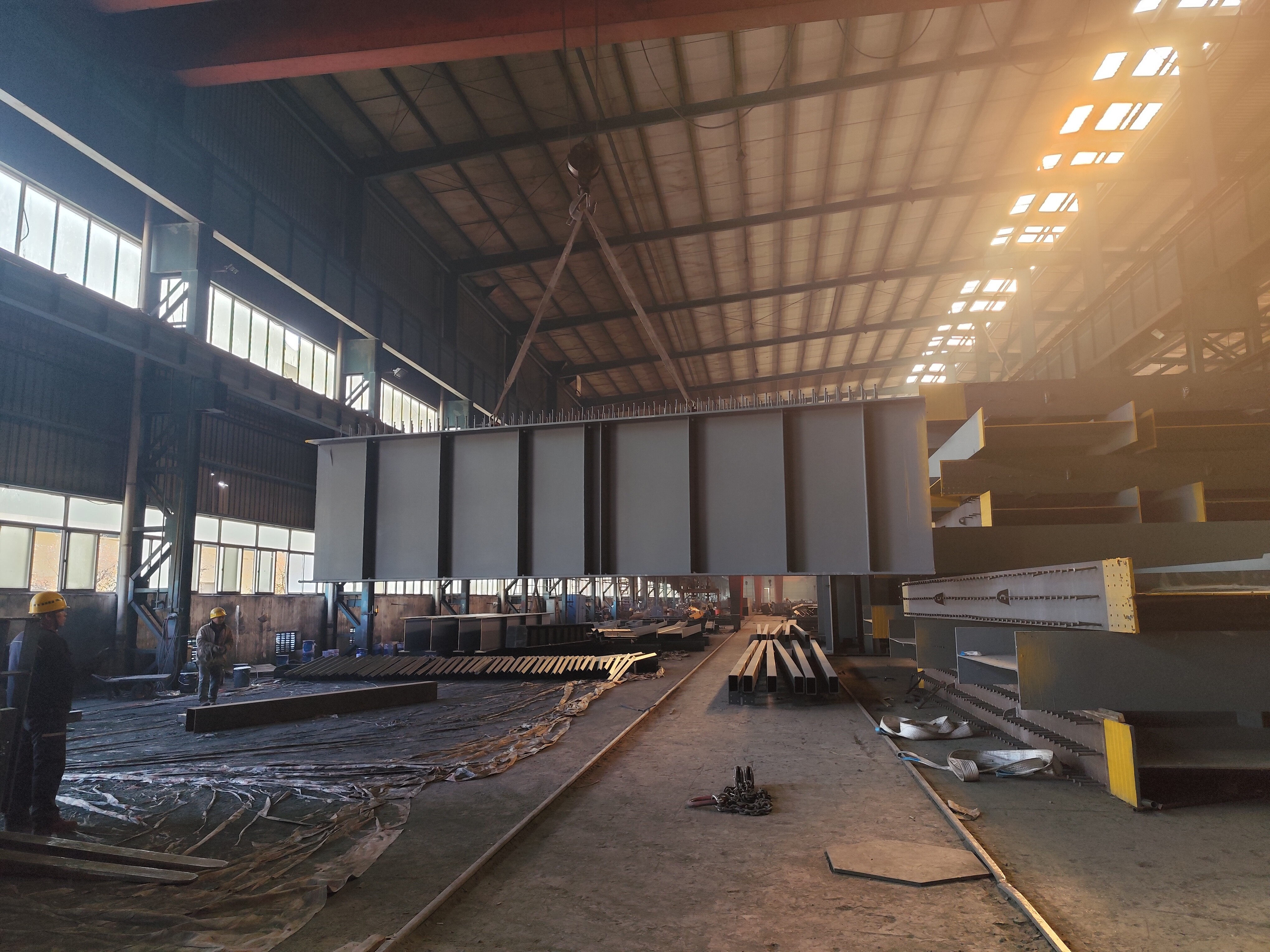
Instruments and Equipment
FAQ
Q: How can I get a quote for my project?
Q: How long can I get the price?
Q: Can we visit your factory?
Q: Do you provide customized product services?
Q: Where is the loading port?
Q: How to package the product?
Q: What if I have no import experience?
Q: Can you provide on-site installation service?
Q: How long is the delivery time?
Q: What is your payment terms?
Q: How can I place an order if my trial order does not reach your MOQ?
Q: How do you control product quality?
Contact Us
RELATED PRODUCTS
TOUCH WITH US