- PRODUCT CENTER -
Leave A Message
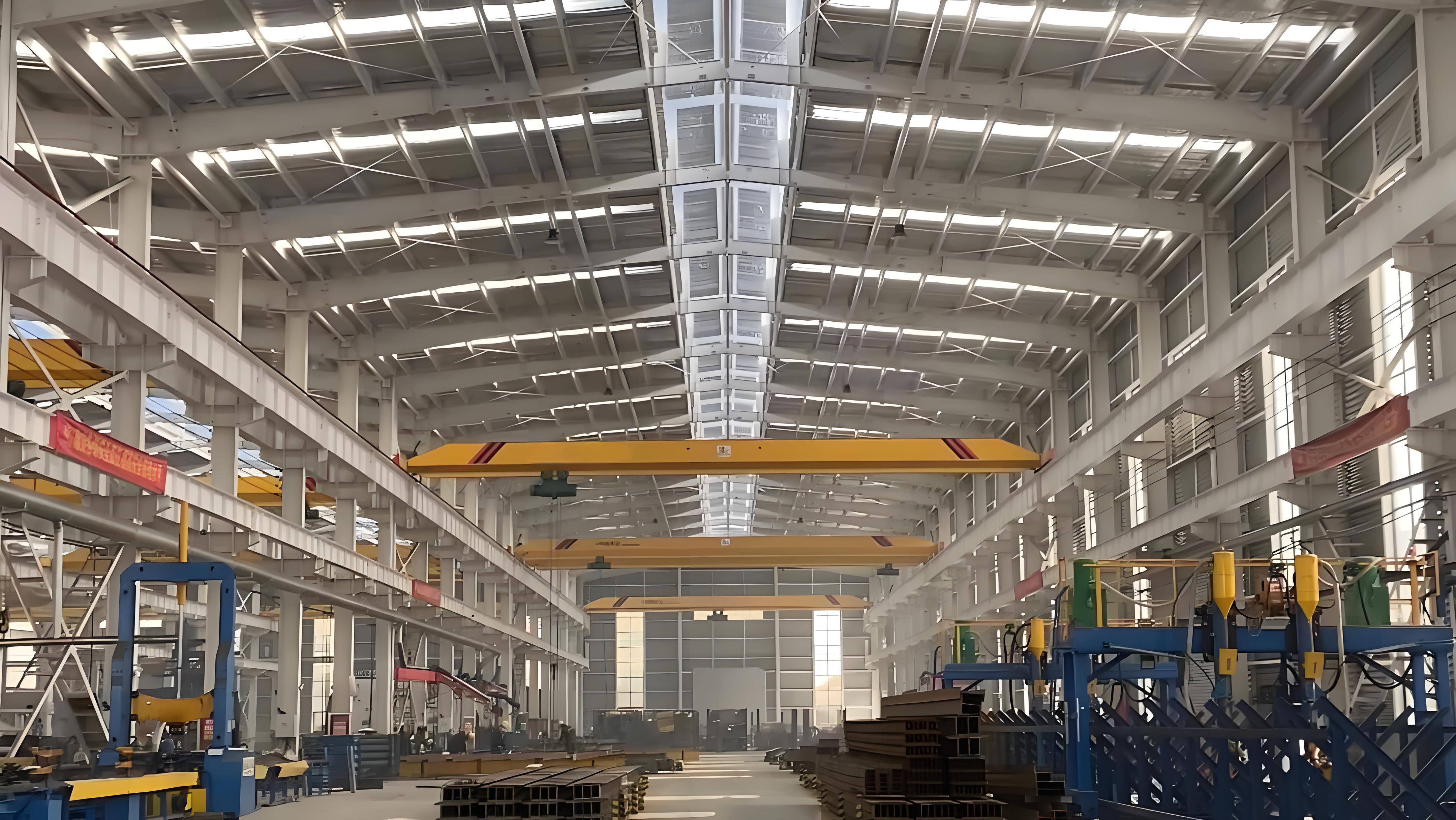
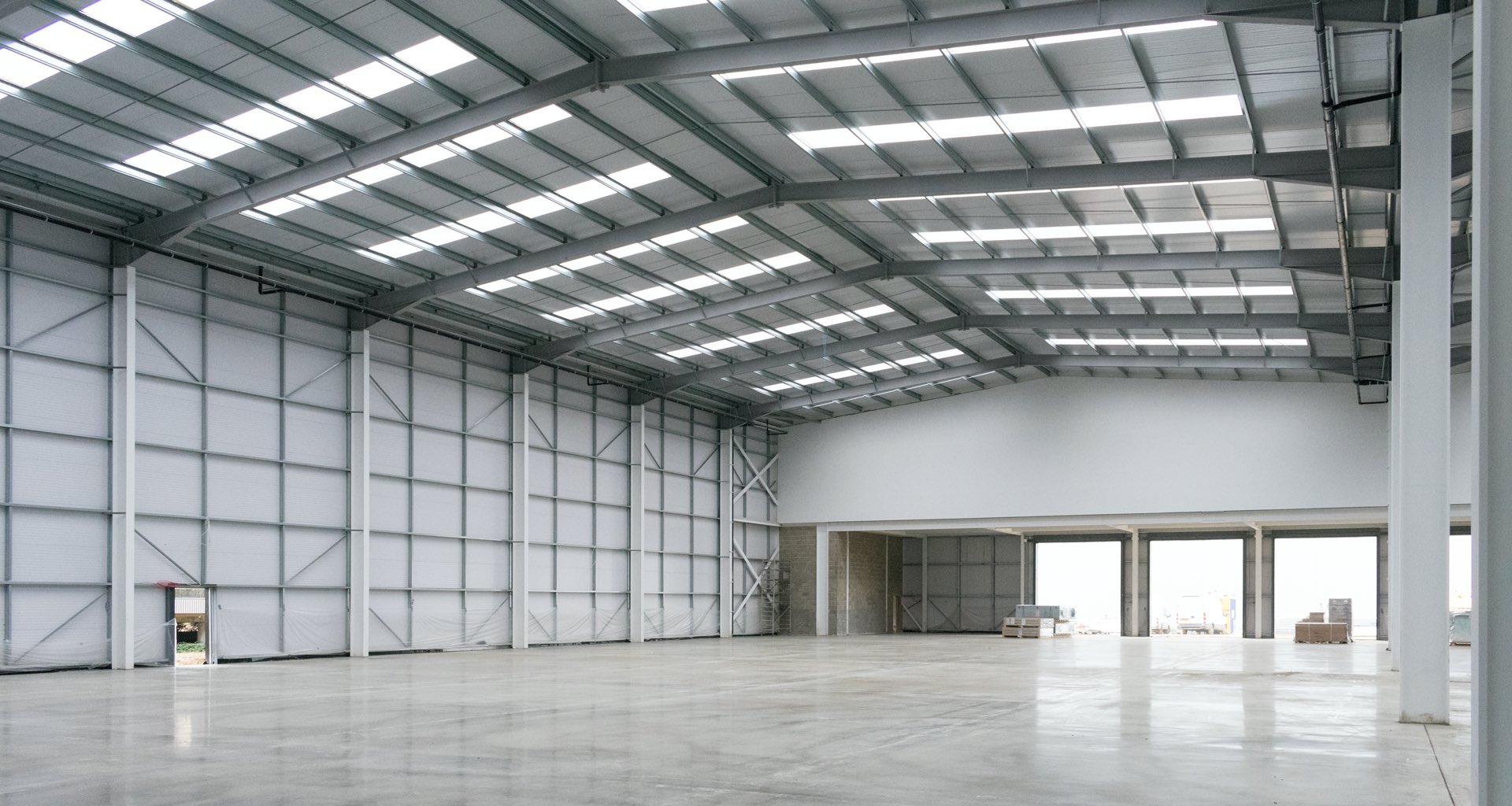
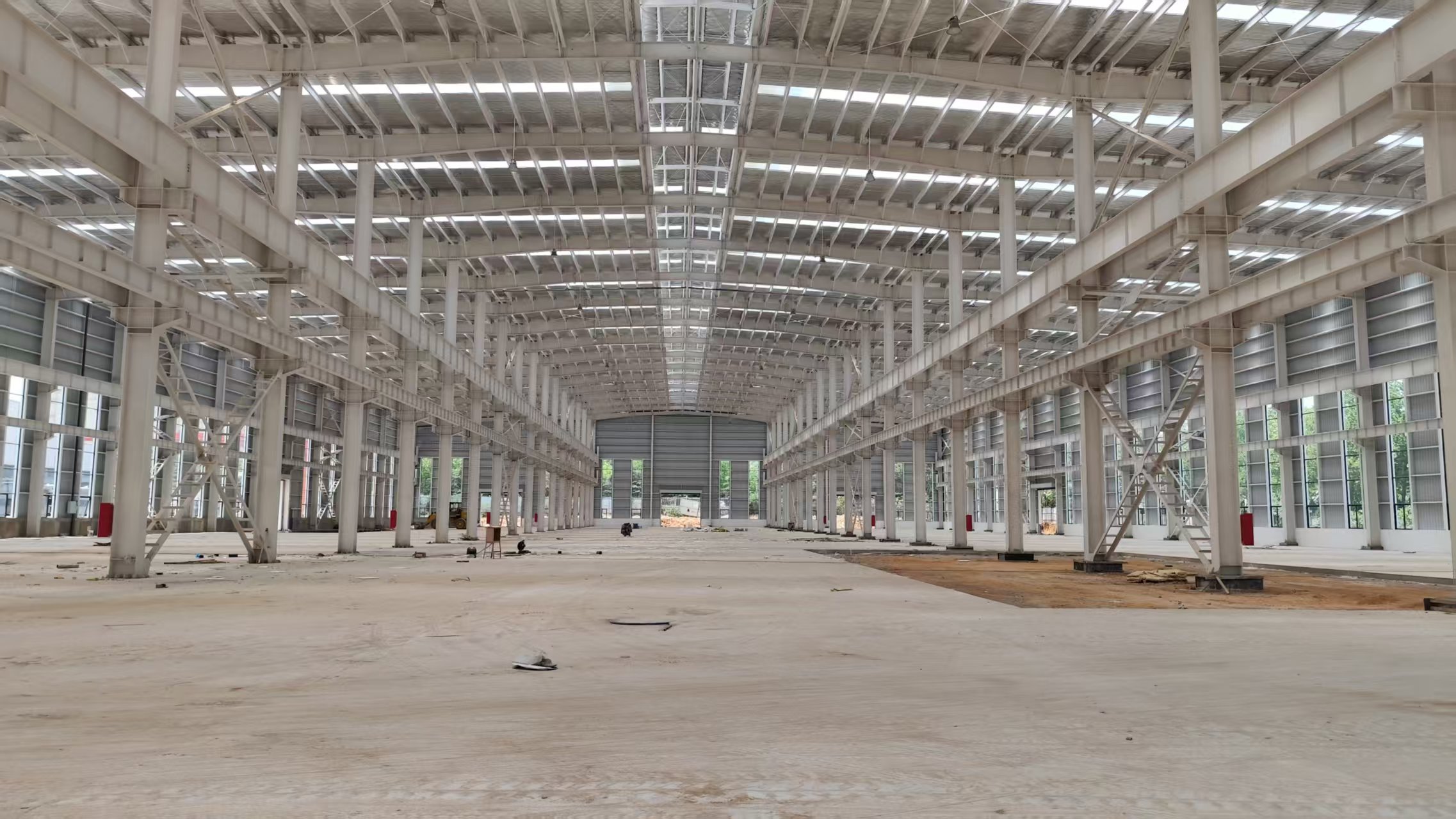
Prefabricated Steel Warehouse with Crane System
Product Parameters
Steel structure workshop with a crane is essentially an industrial structure primarily composed of a steel frame, integrated with a dedicated crane system.
Its core advantage lies in the synergy between the steel structure and the integrated crane:
The steel frame primarily bears the weight of the entire workshop, ensuring overall stability; meanwhile, the in-built crane can directly handle heavy lifting within the workshop without the need for additional external lifting equipment, effectively saving daily production time and reducing costs.
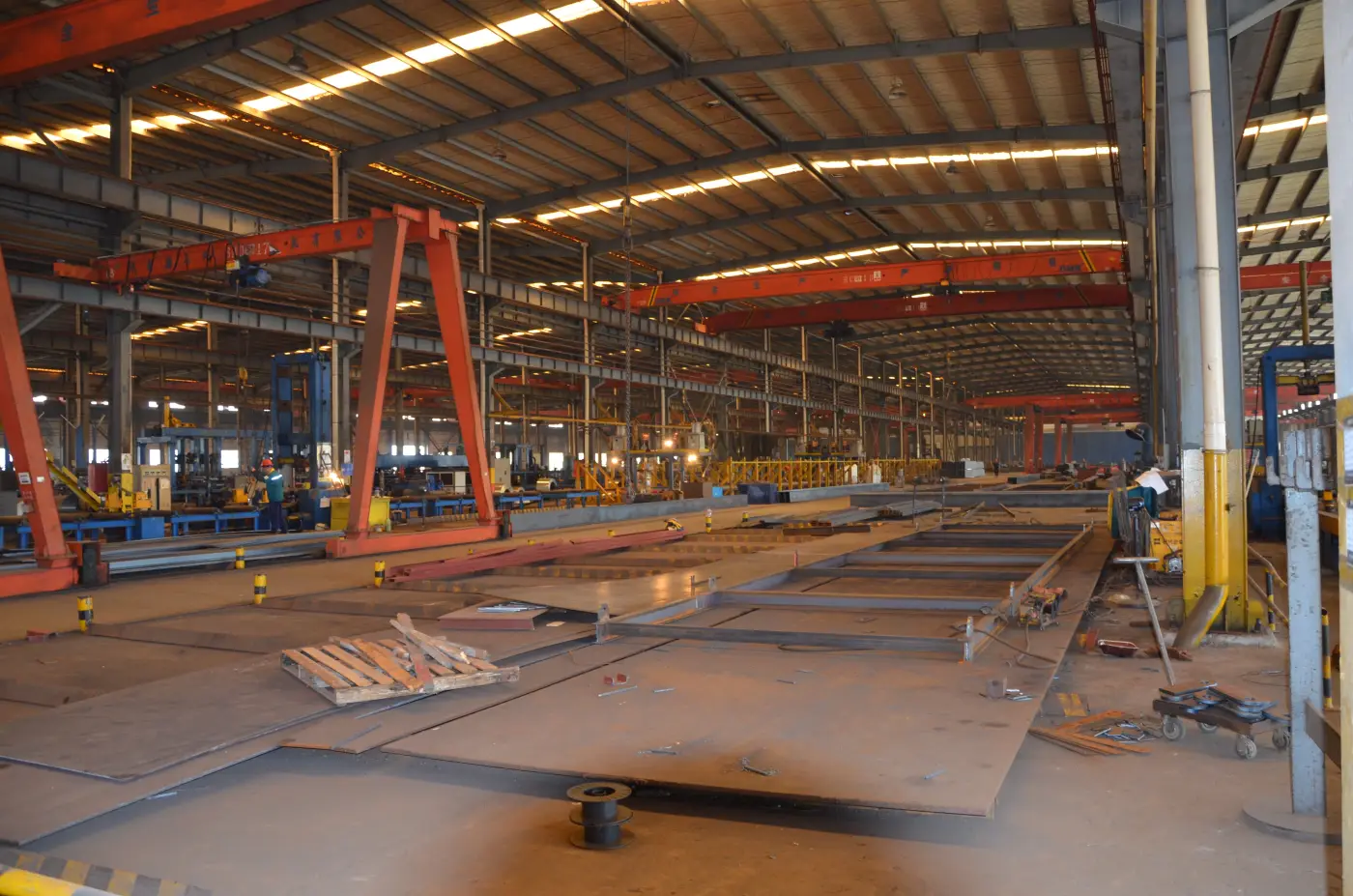
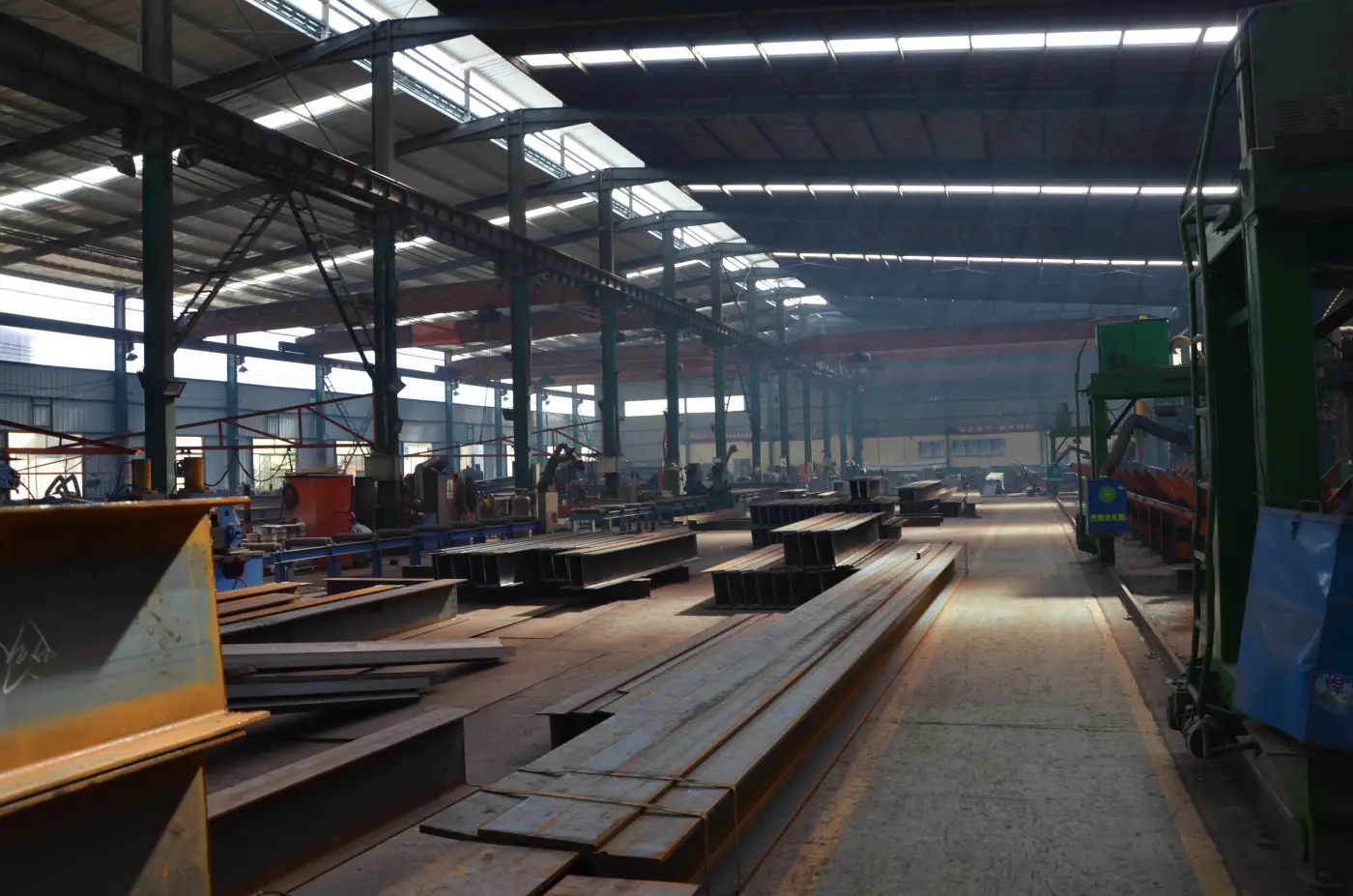
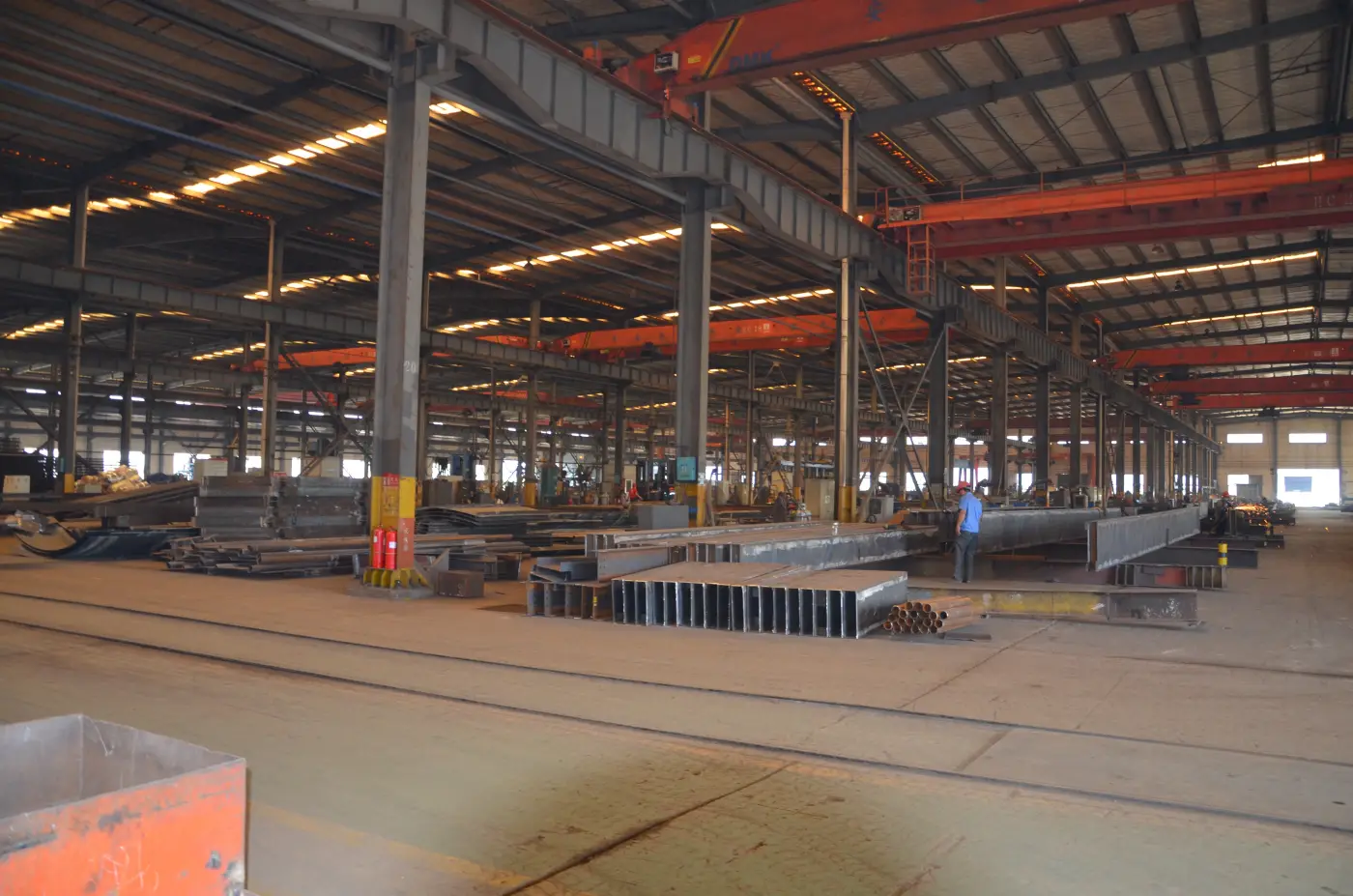
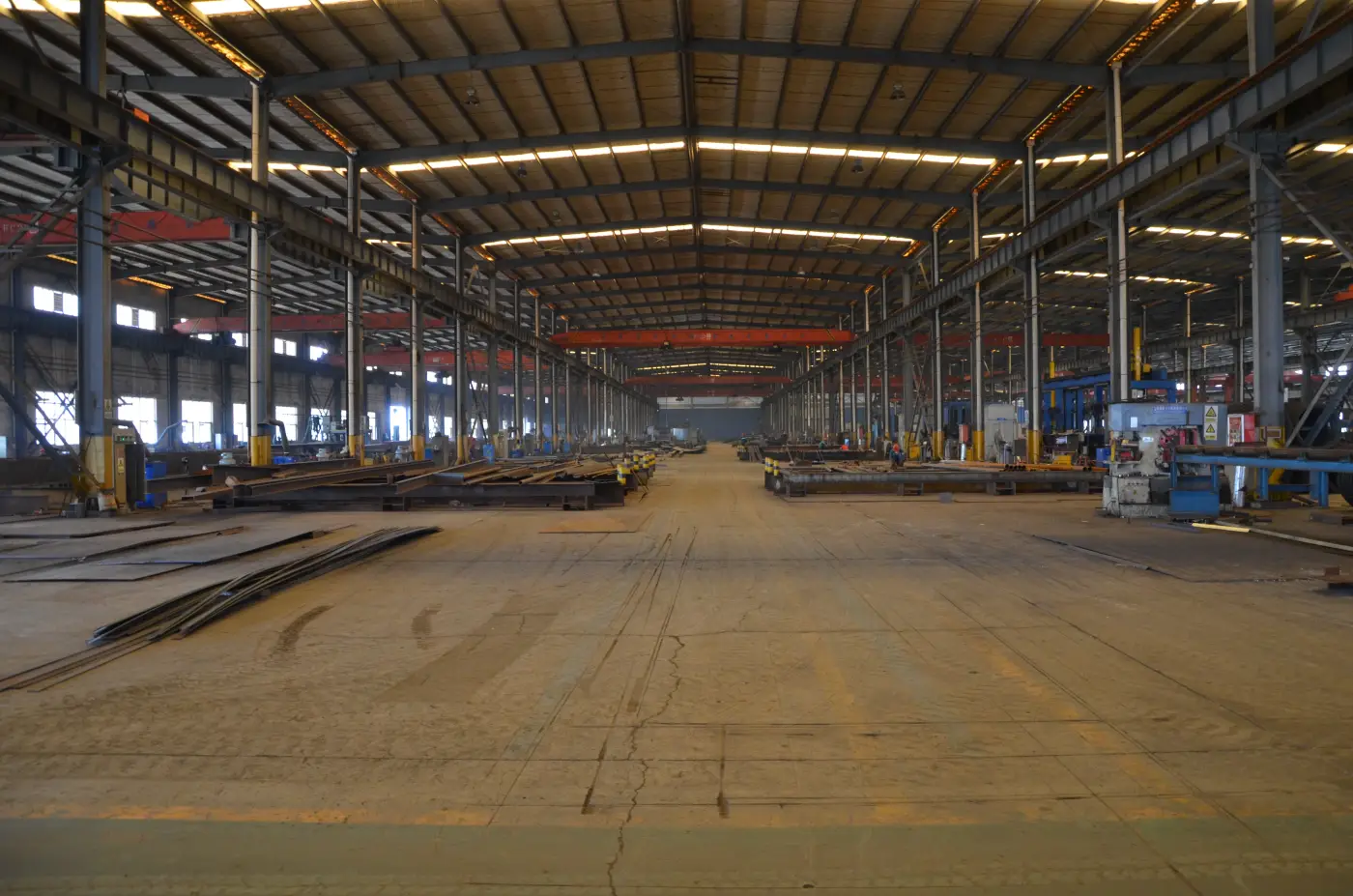
In industrial environments, such steel structure workshops with cranes can efficiently meet two key requirements: production operations and heavy goods handling.
It is not a simple combination of an ordinary workshop and a standalone crane.
On the contrary, the integration of the steel structure and the crane is carefully planned from the design stage—ensuring that the crane's operational force perfectly matches the steel structure's load-bearing capacity, thereby avoiding potential safety hazards from long-term use.
Common Types of Crane-equipped Workshops
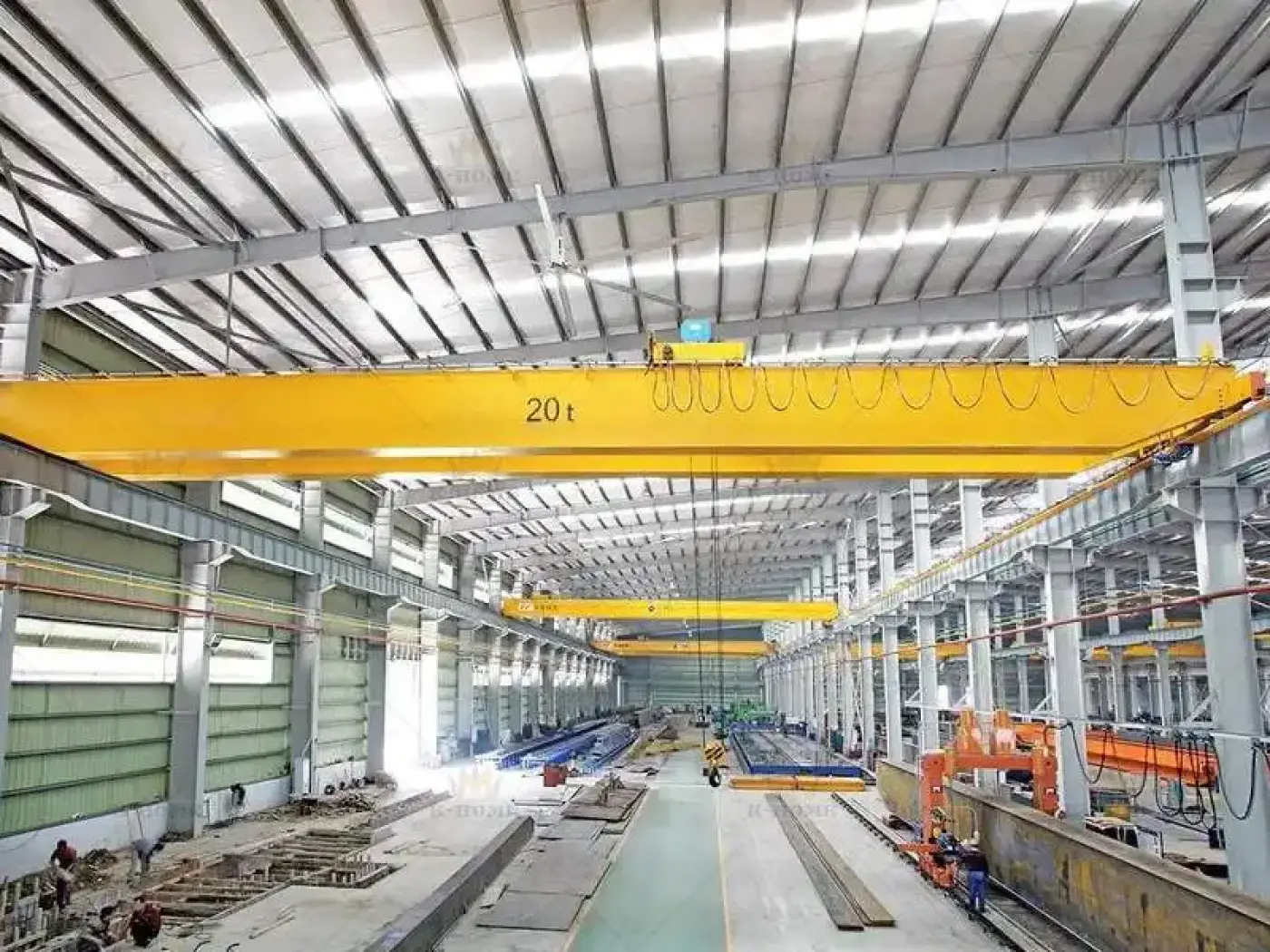
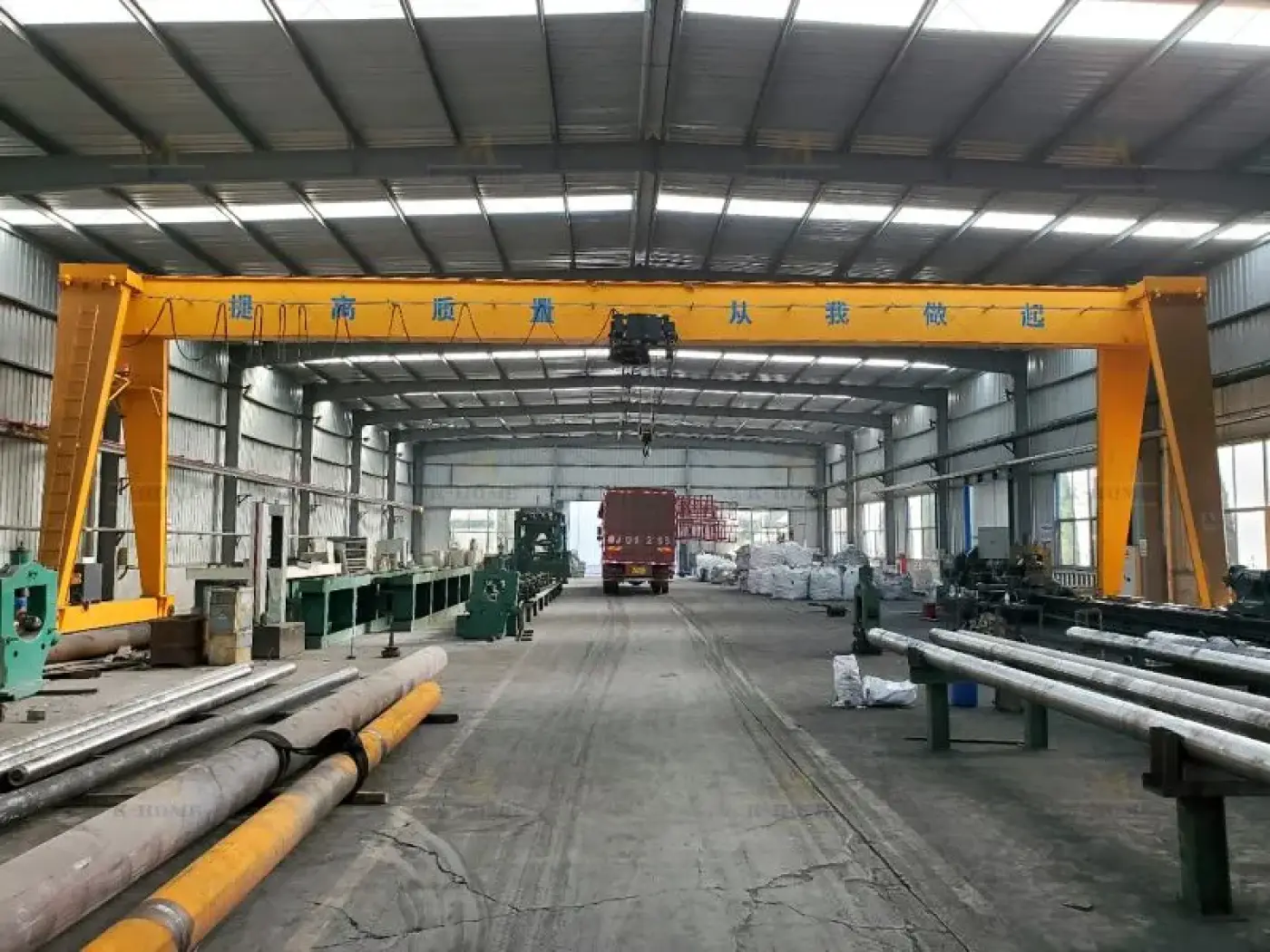
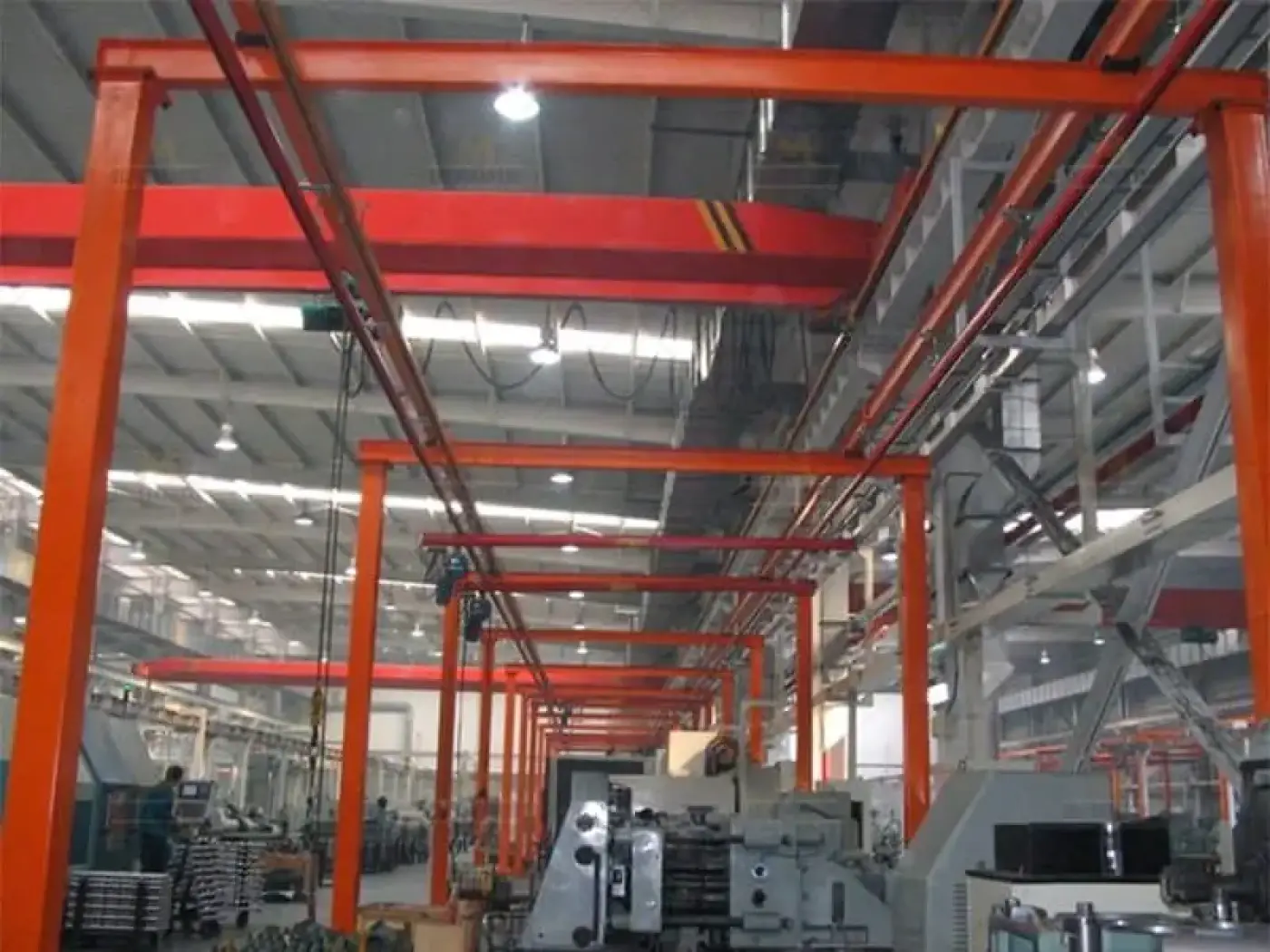
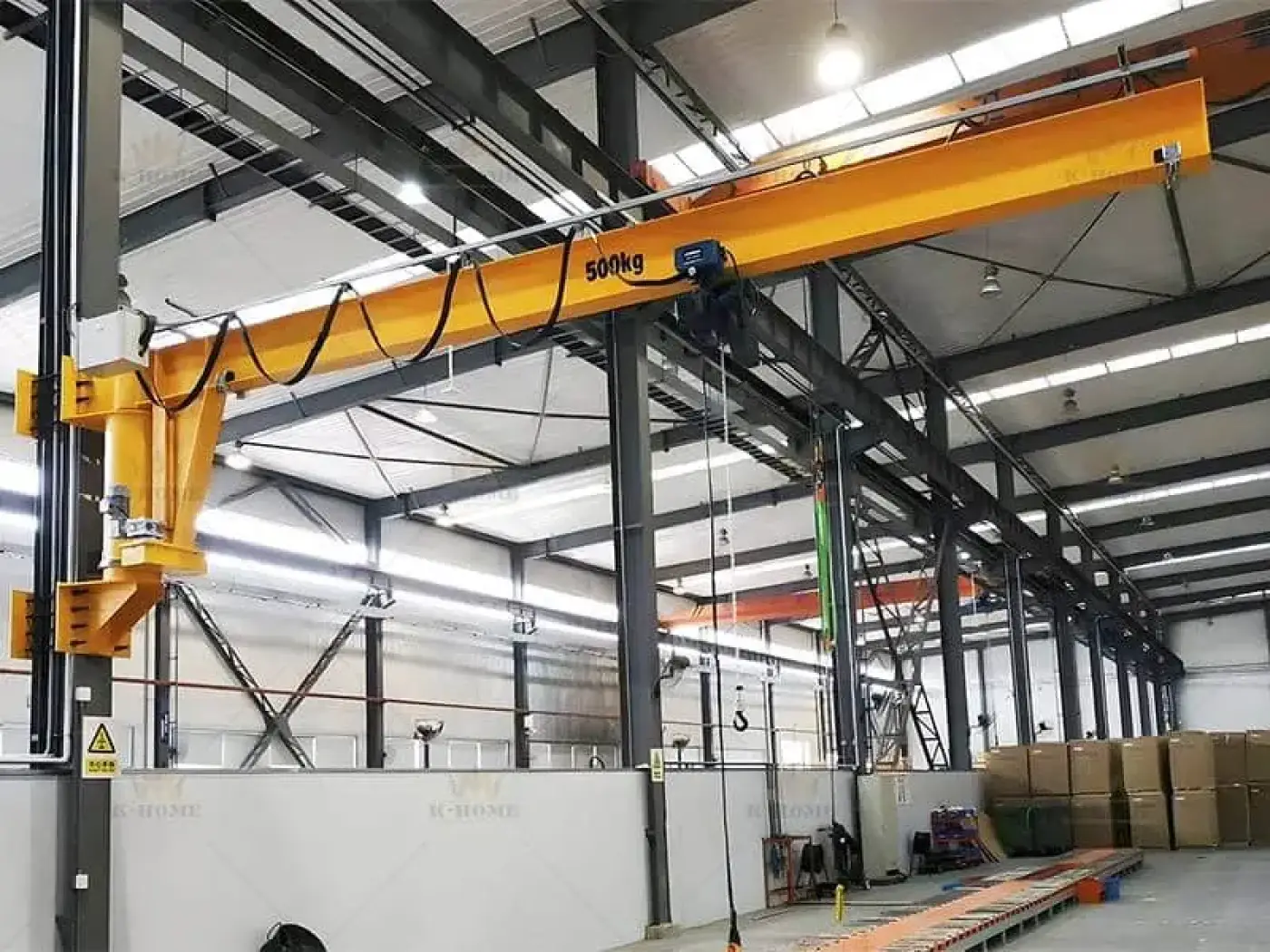
How to choose the type of crane that suits you?
When selecting a steel structure workshop with a crane, decisions must be based on actual needs, with the core focus on whether it fits daily production scenarios, especially aligning with the workshop's operational rhythm.
1.Clarify Lifting Requirements:
First, confirm the maximum lifting weight, lifting height, and lifting range.
For example:
If you need to lift 8 tons of goods daily, choose a 10-ton crane to allow for weight margin and avoid insufficient lifting capacity later.
If lifting to a height of 5 meters is required, the workshop's clear height must exceed 6 meters, which not only provides space for the crane structure itself but also prevents collisions with the roof during lifting operations.
For lifting across the entire workshop, opt for a gantry crane; for local lifting, a jib crane should be used to avoid resource waste.
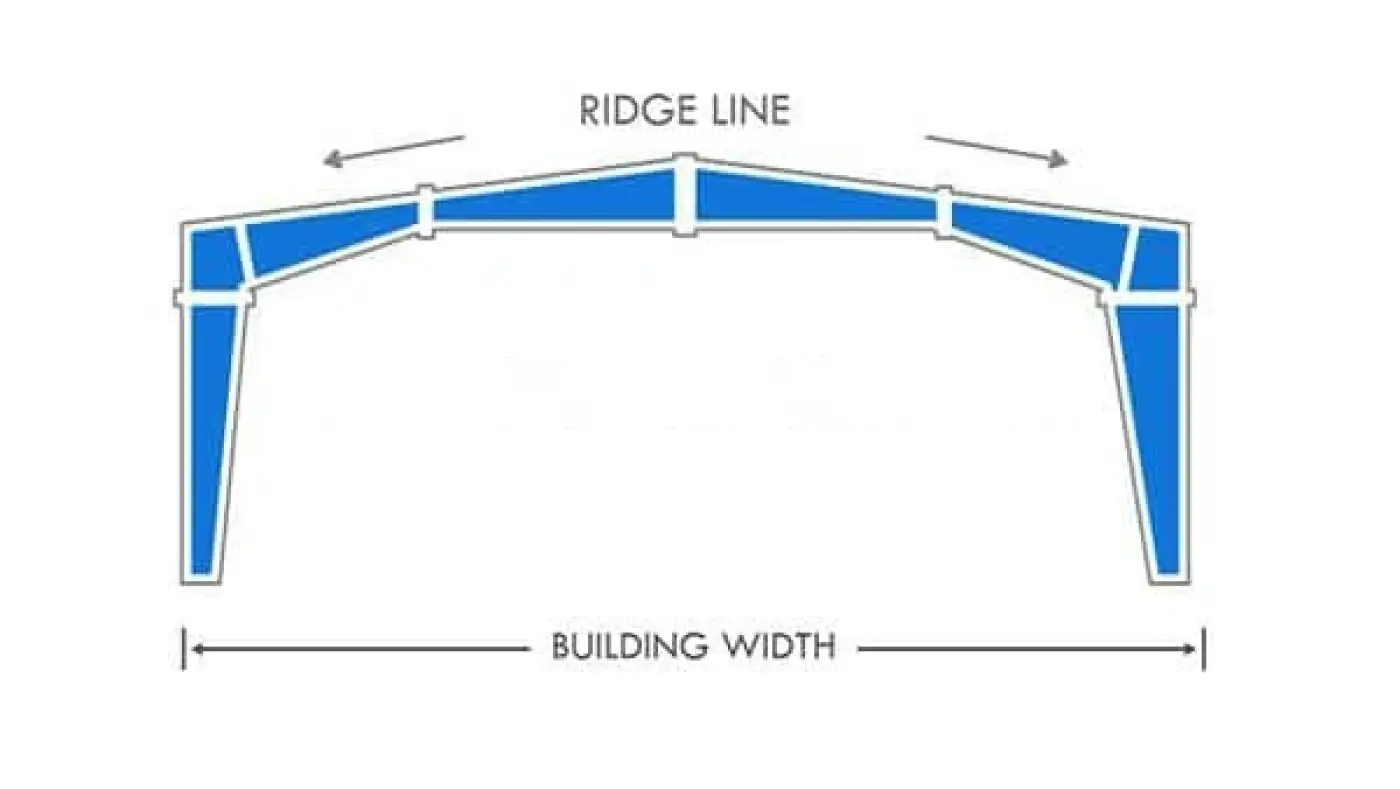
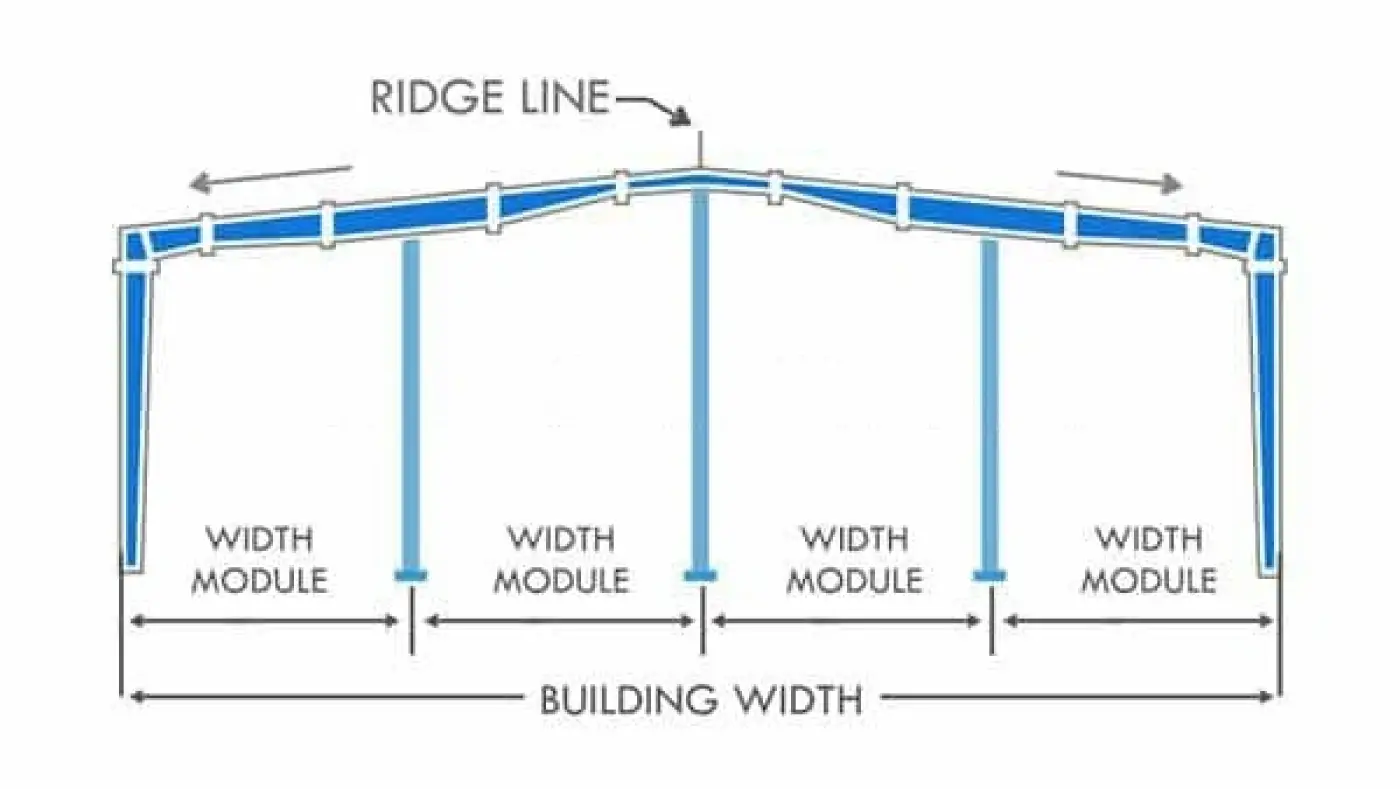
2. Determine Workshop Dimensions:
Set dimensions based on production and storage needs.
For example:
If parts are 10 meters long, the workshop length should exceed 15 meters to accommodate storage and handling space.
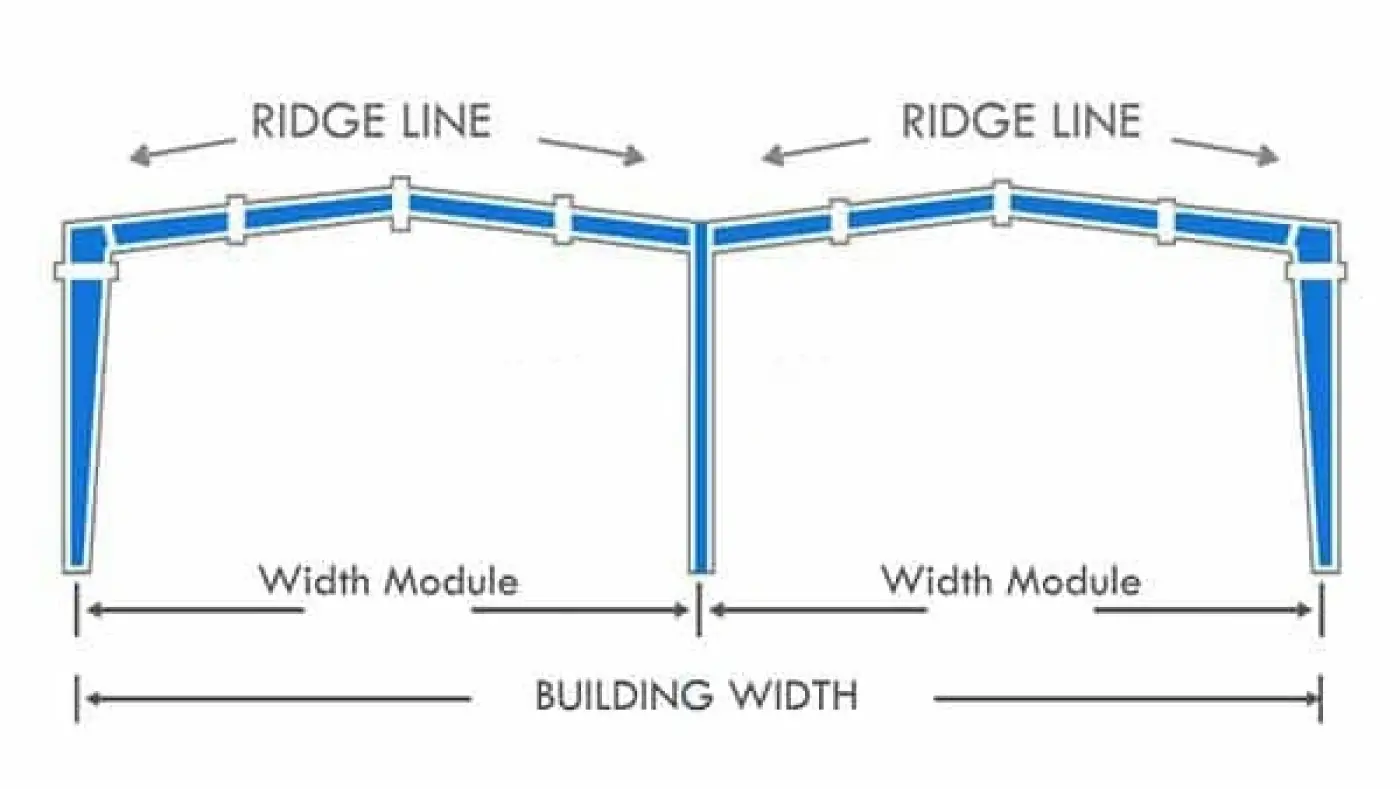
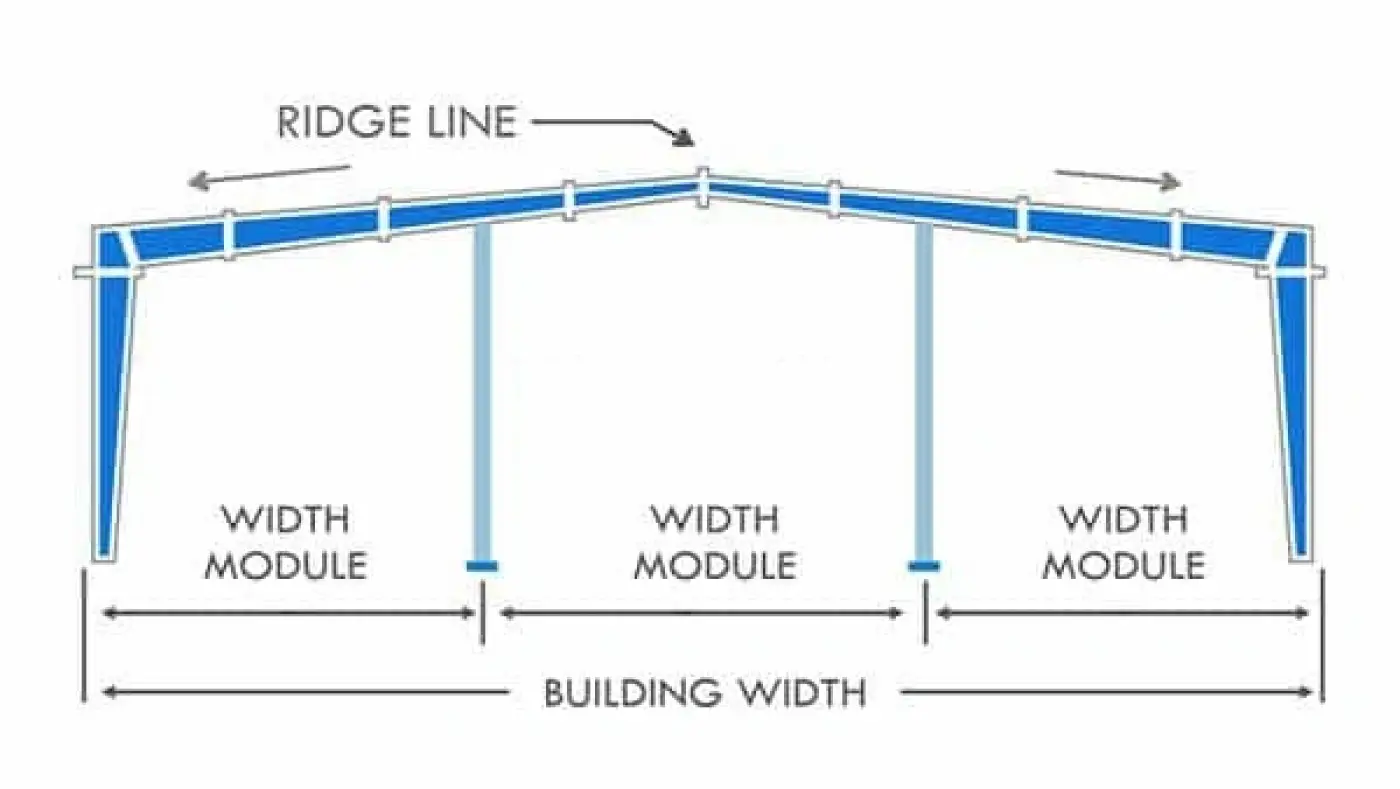
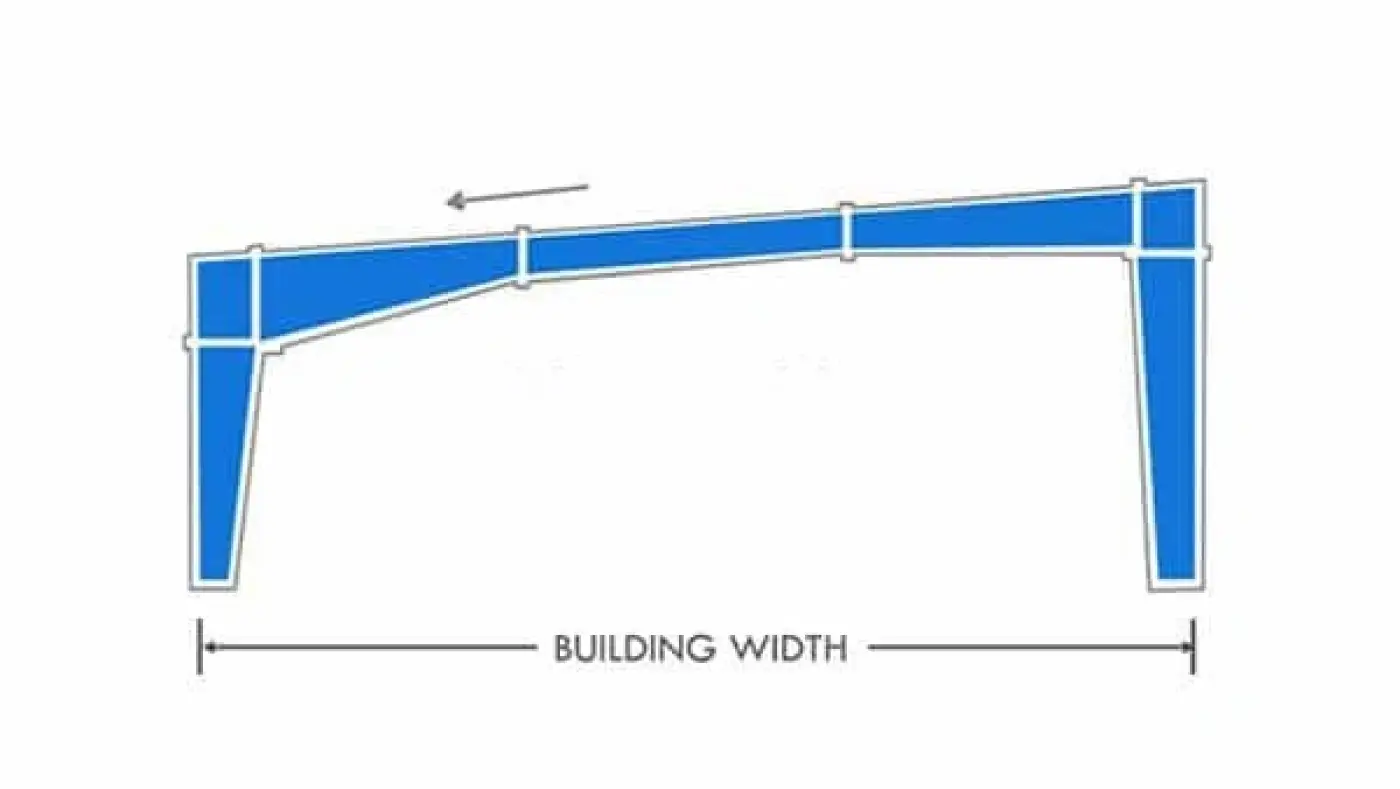
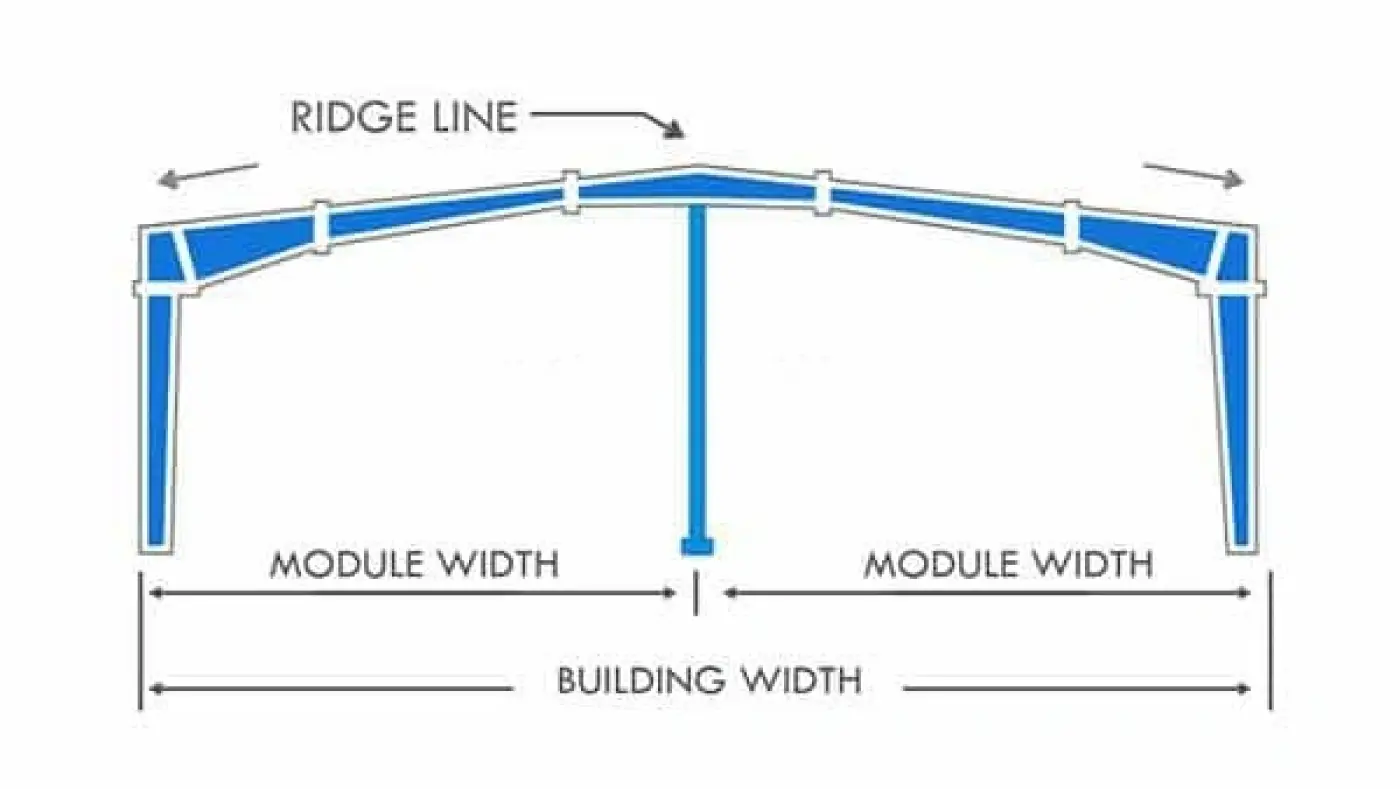
If two production lines are required, the width must accommodate both equipment placement and crane operation—avoiding blindly seeking excess space.
3. Adapt to the Usage Environment:
In humid areas, select corrosion-resistant steel and waterproof motors.
In dusty environments, install protective covers on cranes and dust nets on the roof.
In cold regions, use steel with good low-temperature toughness to reduce long-term wear.
4. Establish a Reasonable Budget:
The budget should cover construction costs (steel structure, crane, construction) and long-term costs (maintenance, corrosion protection).
For example:
a 10-ton crane is about 30% more expensive than a 5-ton crane; prioritize branded equipment to reduce long-term maintenance costs.
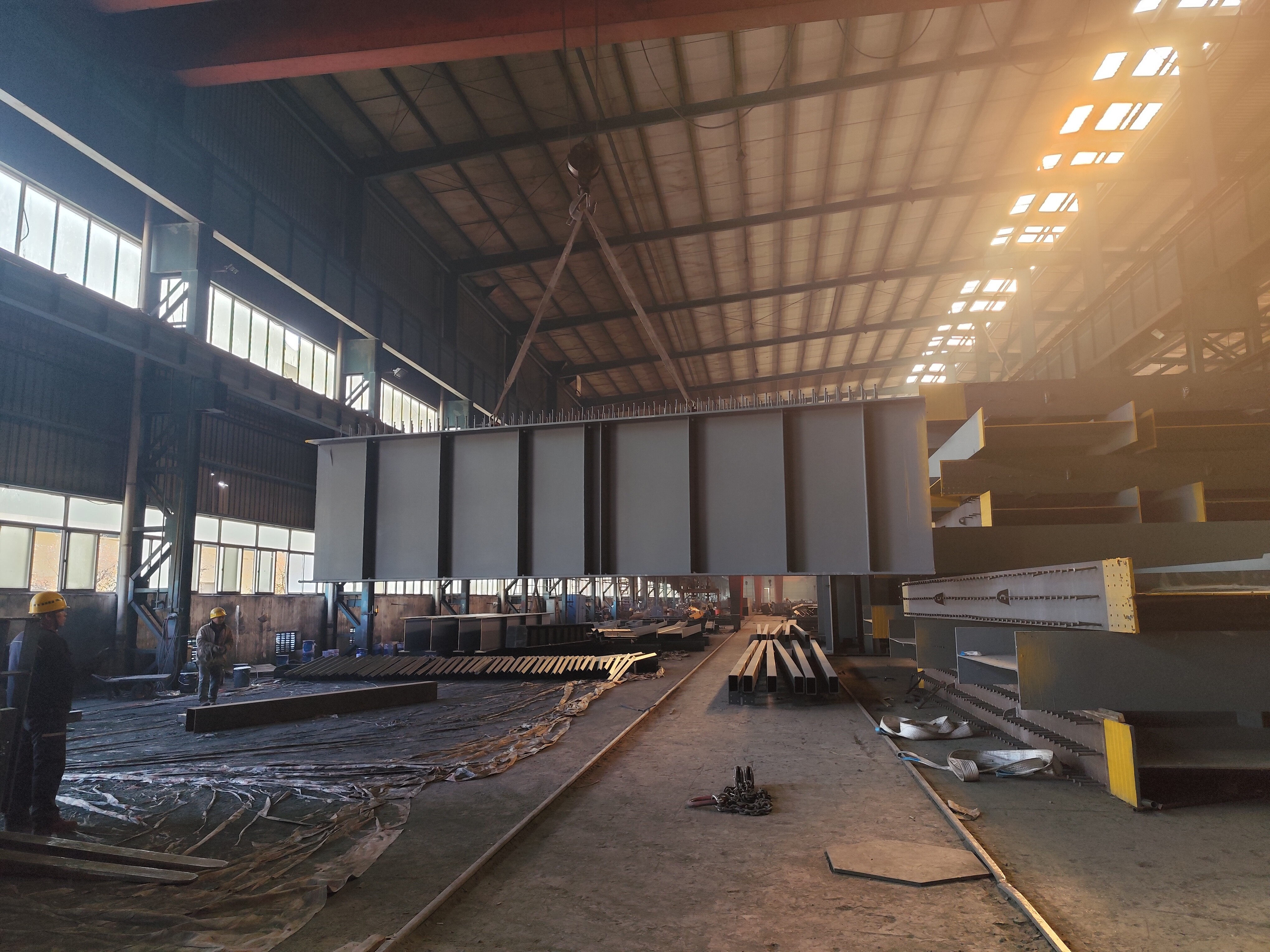
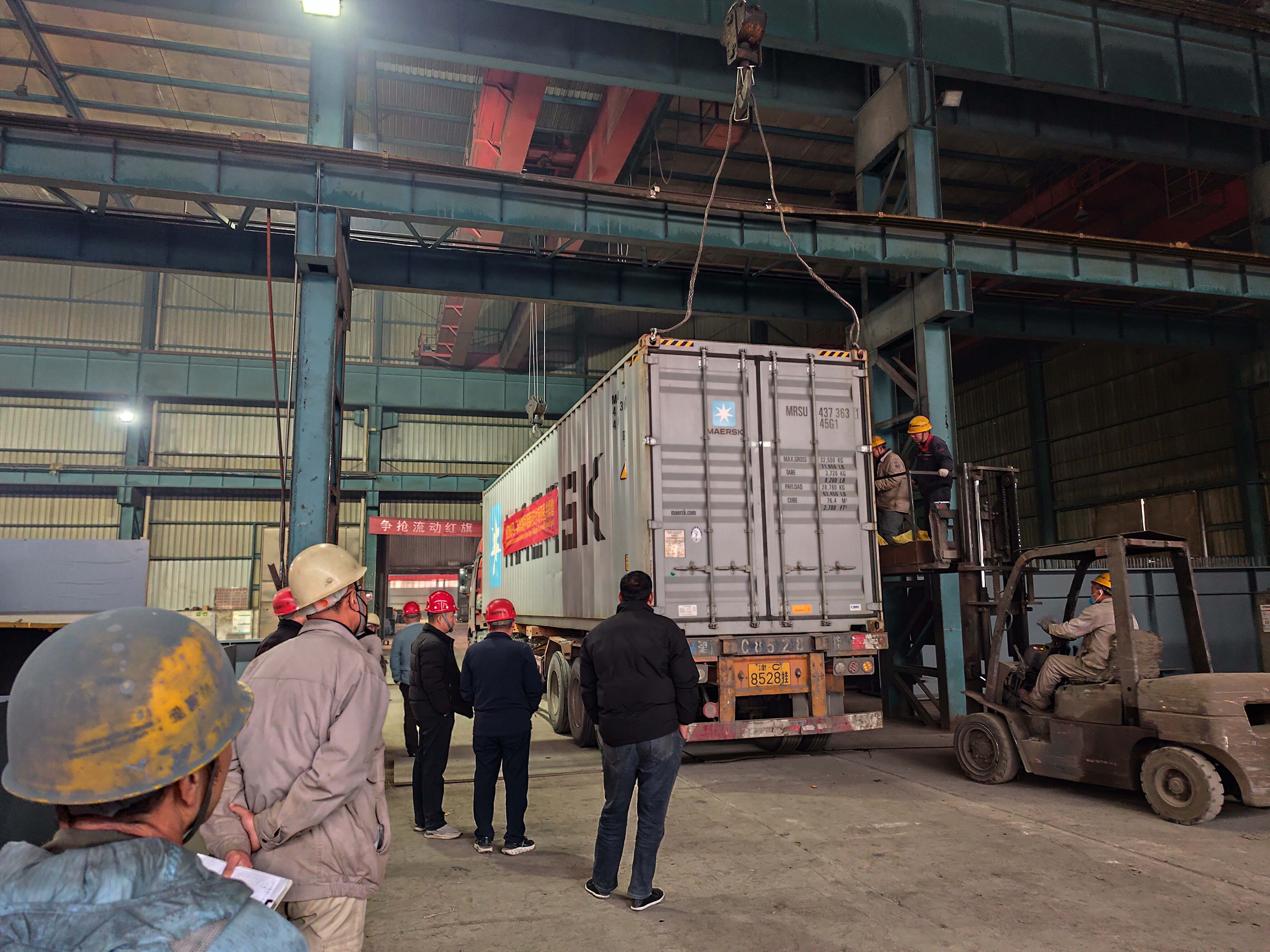
Packaging and Transportation
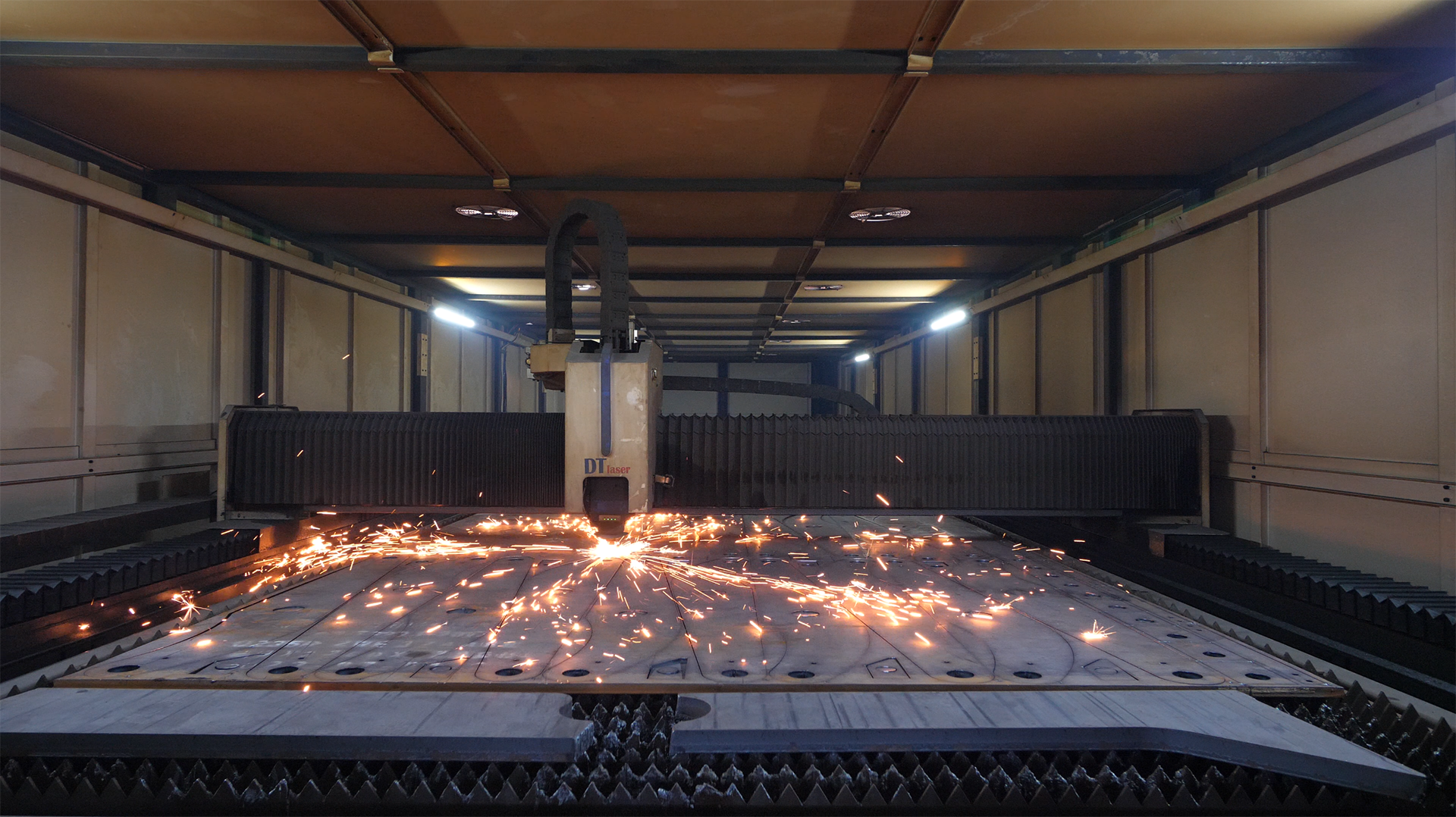
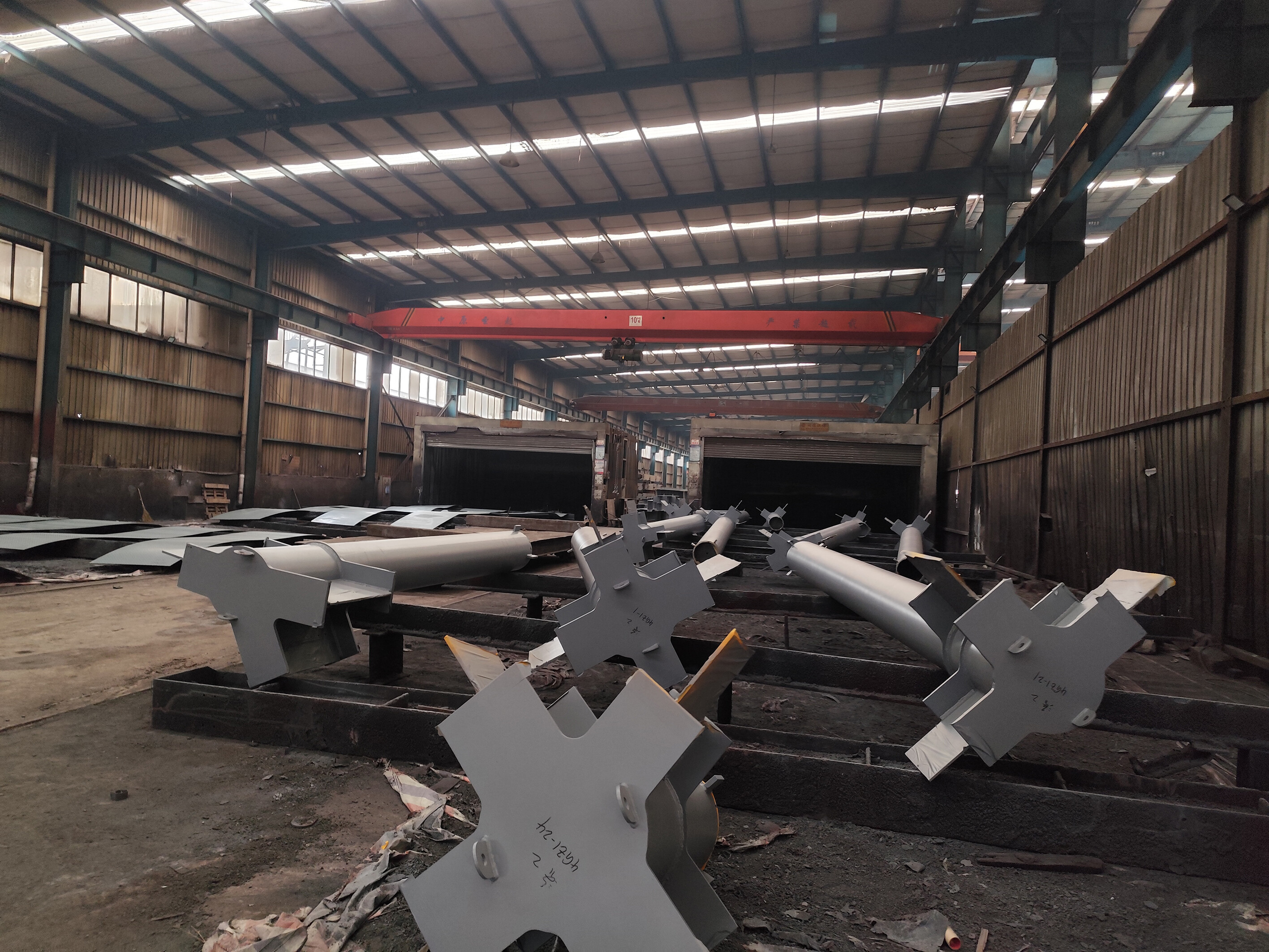
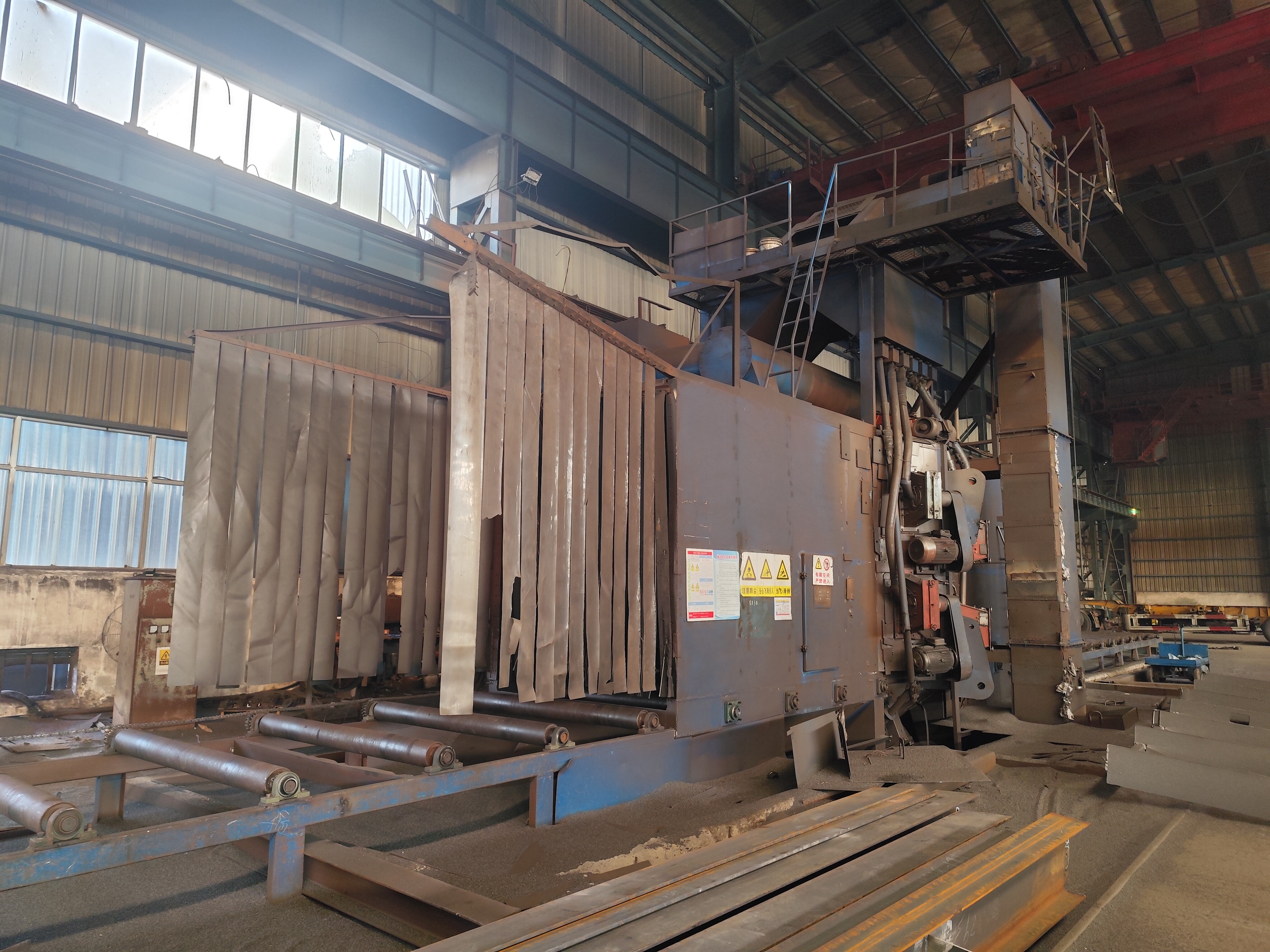
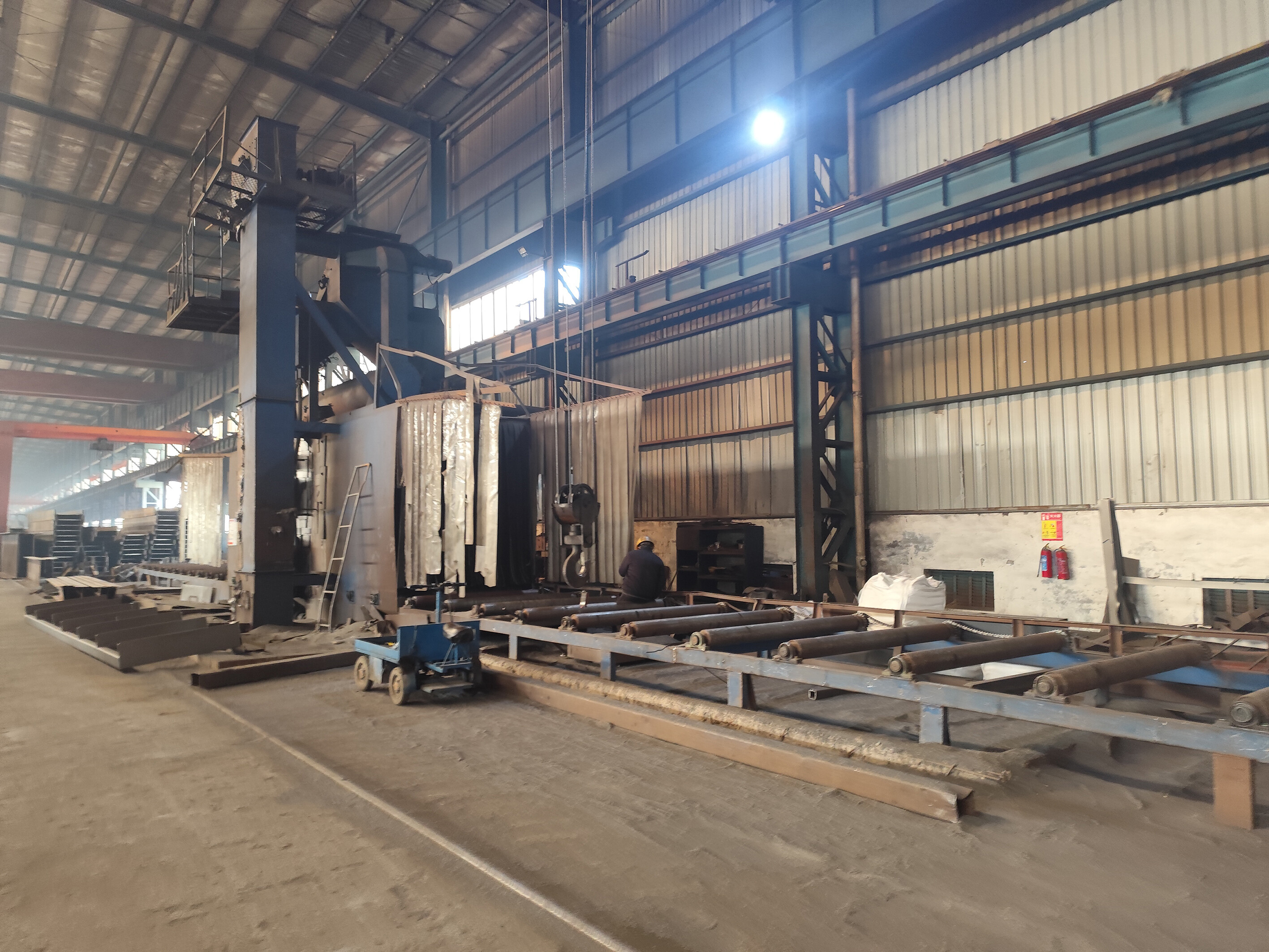
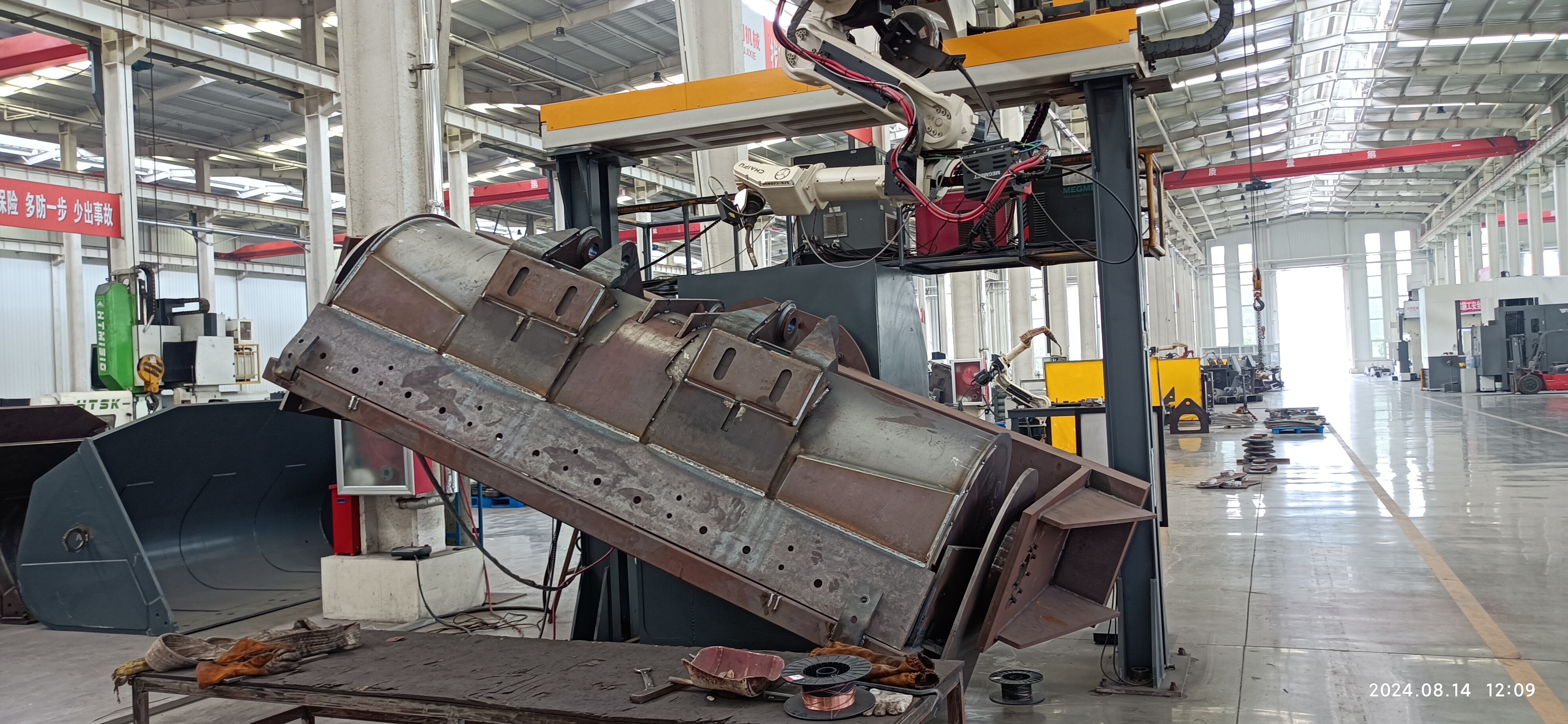
Instruments and Equipment
FAQ
Q: How can I get a quote for my project?
Q: How long can I get the price?
Q: Can we visit your factory?
Q: Do you provide customized product services?
Q: Where is the loading port?
Q: How to package the product?
Q: What if I have no import experience?
Q: Can you provide on-site installation service?
Q: How long is the delivery time?
Q: What is your payment terms?
Q: How can I place an order if my trial order does not reach your MOQ?
Q: How do you control product quality?
Contact Us
RELATED PRODUCTS
TOUCH WITH US